REVIEW · ANTALYA
Antalya: Full-Day Pamukkale and Hierapolis Tour & Lunch
Book on GetYourGuide →Operated by Smooth Travel · Bookable on GetYourGuide
Pamukkale has a way of looking unreal, even before you get there. This full-day trip from Antalya pairs the cotton-white terraces of Pamukkale with the Roman-and-Greek ruins of Hierapolis, plus a warm-water swim that feels like a reward for the long day.
I love the pacing here because it balances guided time (Apollo Temple, Roman Baths, theater, agora) with time to wander and take photos at your own speed. I also like that lunch includes vegetarian or Jain choices, and many people treat that meal as better than expected for the price.
The main thing to plan for is the time. You’re signing up for a 12.5-hour day with a long drive each way, and there can be practical annoyances like waiting for facilities at Pamukkale or a late lunch depending on the day’s flow.
In This Review
- Key things I’d pay attention to
- Antalya To Pamukkale: the long ride that shapes the whole day
- Pamukkale’s Cotton Palace terraces: how to enjoy the snow-white calcium without rushing
- Entering Hierapolis: Apollo Temple and the feel of a Roman spa city
- The thermal pools: where the tour earns its keep
- Cleopatra’s Pool option: decide before you reach the ticket desk
- Lunch near Pamukkale: food choice, timing, and value for the day
- Price and logistics: what $47 gets you and what to budget for
- What you’ll do hour by hour (and where you’ll want patience)
- Best for: first-timers, spa lovers, and history with a practical payoff
- Who should think twice
- Should you book this Pamukkale and Hierapolis tour from Antalya?
Key things I’d pay attention to
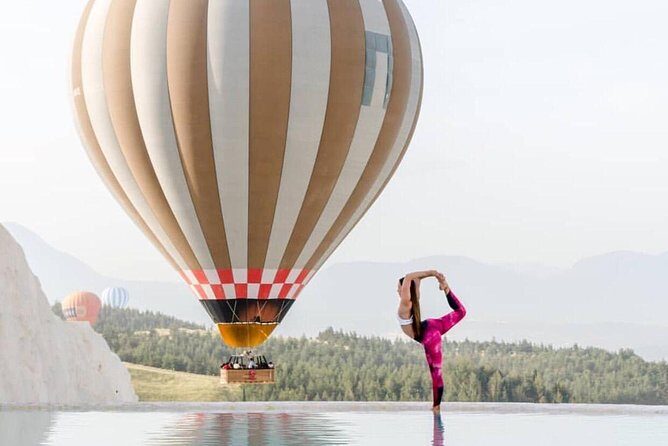
- Small group size (max 14): easier movement, more personal guide attention, and a less chaotic feel than big-bus tours
- Pamukkale terraces plus thermal pools: you’re not just looking—you’re getting the famous warm-water time too
- Hierapolis ruins circuit: Apollo Temple, Roman theater, baths, fountains, and agora get stitched into one story
- Lunch with vegetarian/Jain options: useful if your food choices are limited while you’re on the road
- Cleopatra’s Pool is optional: the included swim is in thermal pools; Cleopatra’s costs extra
- Entrance fees are separate: Hierapolis entry is listed as not included, so budget for on-site tickets
Antalya To Pamukkale: the long ride that shapes the whole day

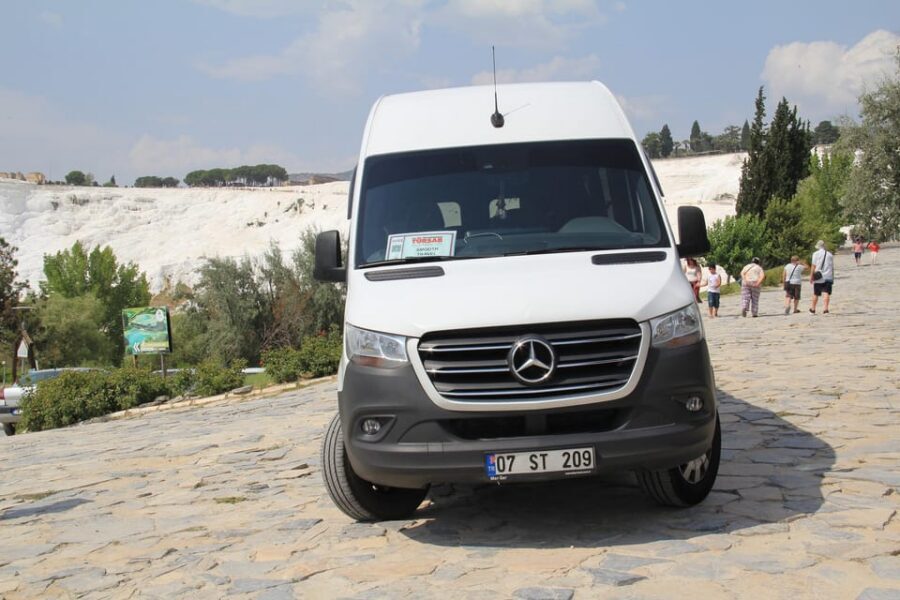
This tour is a classic Aegean-coast day trip: you leave Antalya, cross the country inland, and return before dinner. Expect a full 12.5-hour stretch with pickup from centrally located accommodations in Antalya, not from some nearby areas like Belek, Side, or Kemer. If you’re in one of those neighborhoods, you’ll want to factor in a workaround (for example, arranging your own transport to a pickup zone).
The driving time matters because it affects everything else. You’ll be most awake during the early guided stops, and later you’ll either be happy-go-lucky in the thermal pools or quietly ready for bed on the ride back. The best guides plan bathroom and snack breaks without turning the day into constant interruptions.
Also: the pickup time is typically confirmed the day before, so don’t assume you’ll know it instantly from the booking screen. Give yourself margin to be ready when the van arrives—this type of day runs on a schedule, and missing the first step can snowball fast.
Other Antalya tours we've reviewed in Antalya

Pamukkale’s Cotton Palace terraces: how to enjoy the snow-white calcium without rushing
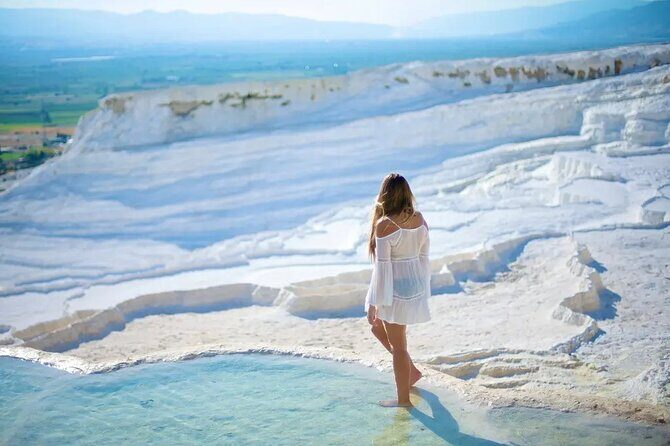
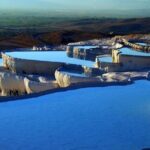
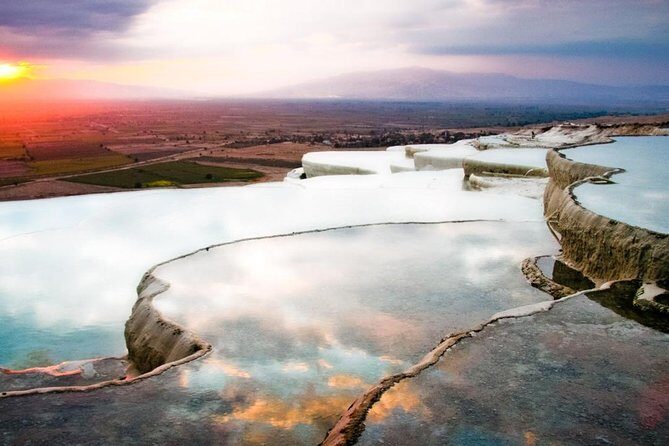
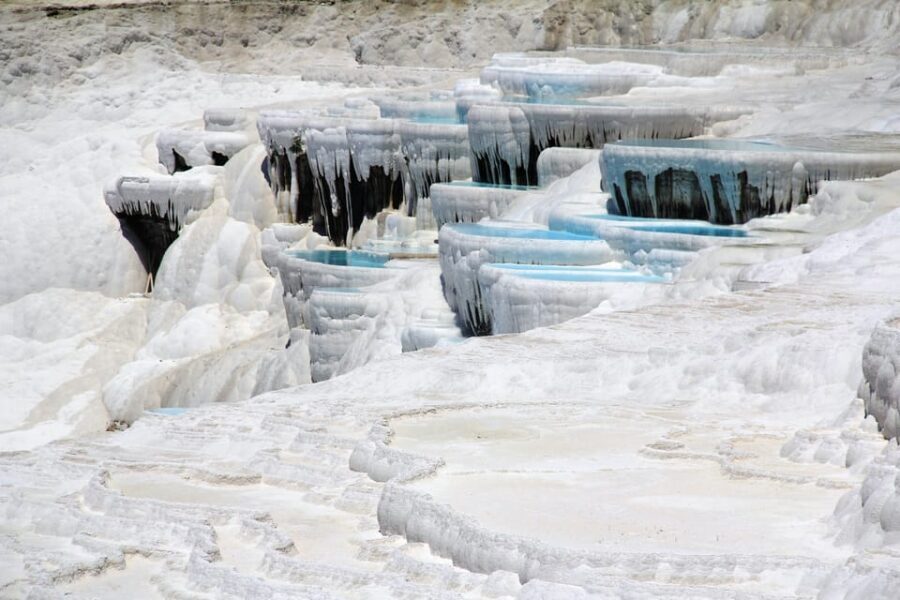
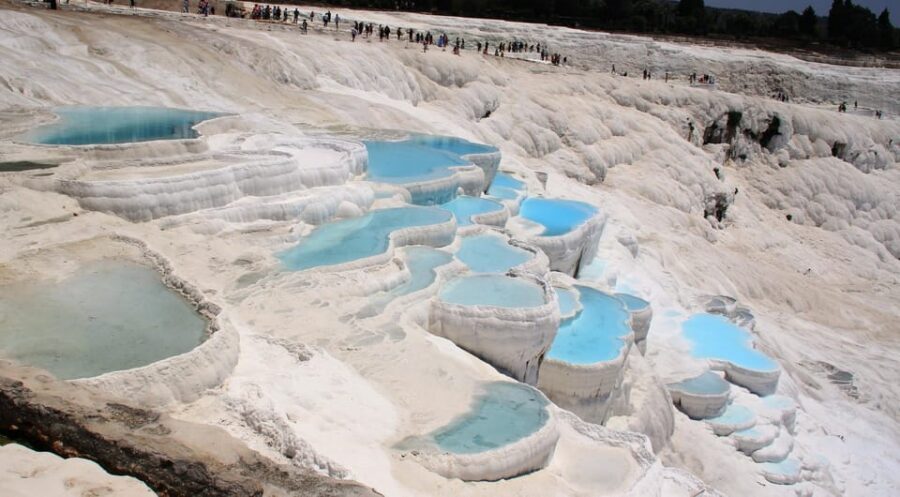
Pamukkale’s main stage is the cascading white terraces—calcite-laden water that once built its way down the cliff in layers. The effect is famous because it looks almost sculpted, like nature with a museum label. It’s also practical to know what you’re walking on: some sections can be slick, so you’ll want shoes that handle uneven, mineral surfaces.
The tour timing usually gives you a first look, then time to keep exploring on your own. This is where the small-group setup pays off. You’re not fighting crowds for the same angles, and you can pace yourself as light shifts over the terraced basins.
A couple of real-world tips that make a difference:
- Bring sunglasses and a sun hat, because the glare on pale mineral surfaces can be intense.
- Plan for the bathrooms being busiest when everyone reaches the same peak photo moment. One common complaint is queuing at Pamukkale, so if you can go early, do it.
You’ll hear the “how it works” story too—the calcite comes from springs up in the cliff area overlooking the plain. That connection turns the view from pretty to meaningful: you’re watching the visible outcome of a long-running water-and-mineral process.
Entering Hierapolis: Apollo Temple and the feel of a Roman spa city

After Pamukkale, the day shifts into archaeology mode at Hierapolis, the ancient city that formed around these thermal springs. What I like about this pairing is that the ruins explain why people cared about the area in the first place. You’re not just staring at stones; you’re seeing how a spa culture grew into a full city.
The key stops typically include:
- Apollo Temple: a central religious landmark tied to the city’s identity and sacred status
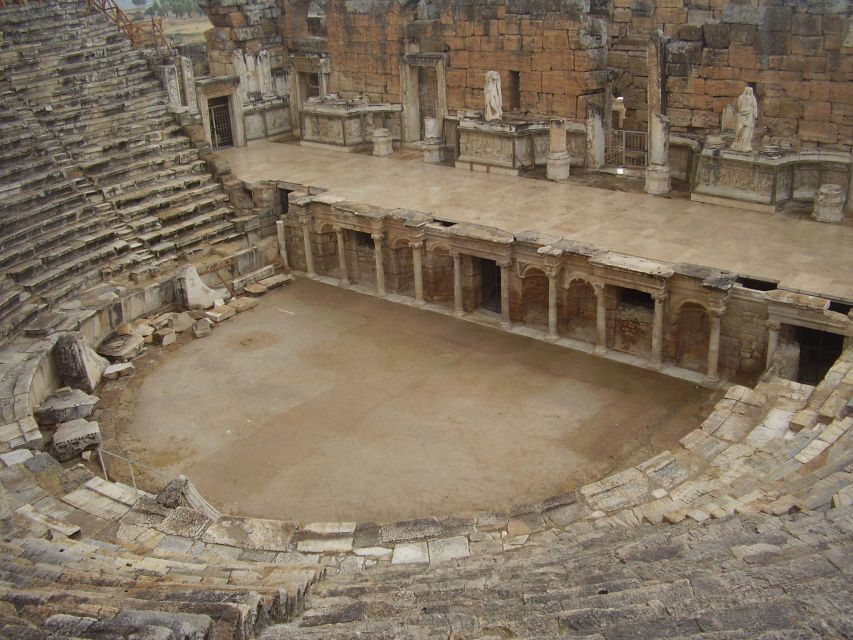
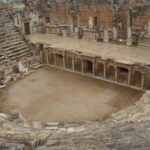
- Roman theater: built for public gatherings, showing how performance and civic life fit together
- Roman baths: the spa element returns here in brick-and-stone form
- Agora and other monuments: the commercial and social spine of daily life
It’s also worth remembering that Hierapolis wasn’t purely Greek or purely Roman—it was layered. The ruins reflect the way the region moved through time, from Greek influence tied to the thermal spa’s prestige to later Roman architecture and civic planning.
One valuable part of the guide role is keeping this from turning into random ruins. Guides who manage the rhythm well can point out how the architecture and layout suggest trade, worship, and social life. People often mention guides like Merke (Mary) and Barbaros for making the story click without turning it into a lecture.
The thermal pools: where the tour earns its keep
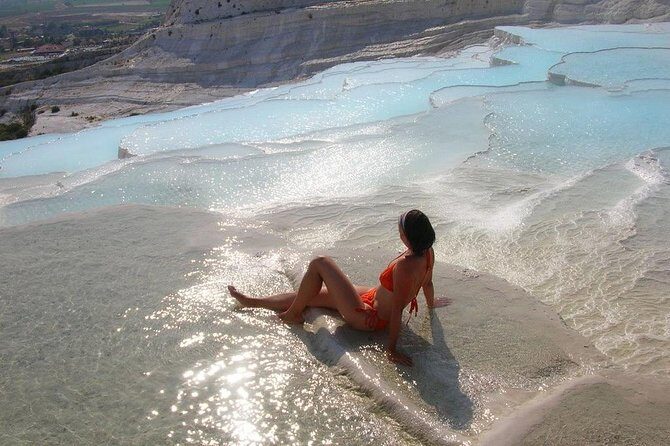
Here’s the part that makes most people grin: after you’ve walked the terraces and toured the ruins, you get a chance to actually soak in the warm thermal pools. This is one of those rare day trips where the “touristic” site has a built-in real-life payoff. Your body notices it.
Time inside the pools is also one of the best opportunities to slow down. The guide’s job is to make sure you know where it’s safest to walk and how to avoid slippery spots on uneven mineral surfaces. Some guides are especially careful about suggesting which areas are less slick, which matters if you’re carrying a bag, traveling with kids, or just don’t want to test physics on hot stone.
What about the optional upgrade to Cleopatra’s Pool? It’s extra money. It can be tempting because it’s branded, but you should know that you’re paying for access while many people stick to the included pools. One common caution: Cleopatra’s Pool is sometimes described as dirtier or algae-heavy, and some decide it’s not worth the extra entry cost. If you want the famous name for your day, go for it. If you’re primarily there to relax and swim cleanly, you may be happier focusing on the included thermal pools.
Cleopatra’s Pool option: decide before you reach the ticket desk

The decision point is simple: do you want to spend extra time and money on the most marketed pool, or do you want maximum comfort with the included thermal pools. Cleopatra’s Pool is not included, and entry is listed as additional.
A practical way to decide on the spot:
- If you care most about quiet soaking, do the included pools first and see if your energy holds.
- If you’re photo-focused and want the name for your trip, you can add Cleopatra’s Pool later—just remember you may be sharing it and it may not match your cleanliness expectations.
Either way, pack your swimsuit strategy. Bring a small towel or plan for what you can use on-site. If you want to change clothes, consider bringing a light bag for wet items. It’s the kind of detail that keeps the ride back from feeling like a long penalty.
Other Pamukkale Hierapolis tours we've reviewed in Antalya



Lunch near Pamukkale: food choice, timing, and value for the day
Lunch is included, with vegetarian and Jain options available. That’s a big deal on tours where “vegetarian” sometimes means a sad side salad. Several people describe the meal as authentic and good for what it costs.
Timing can vary. Some people report lunch arriving later in the afternoon (around 3pm). If that happens on your day, don’t show up hungry and impatient. Bring a small snack for the ride, especially if you’re the kind of person who gets grumpy at 2pm without warning.
Also, one reason lunch matters for value: a guided day trip of this length needs fuel that doesn’t feel like a compromise. When the included meal is decent, you feel like the day is truly complete instead of padded with “just enough” food.
Price and logistics: what $47 gets you and what to budget for
At about $47 per person, this tour is positioned as a budget-friendly way to get both Pamukkale and Hierapolis in one day without doing the transport yourself. For many visitors, the value isn’t only the sights—it’s the convenience of round-trip transfers and a live English guide for the whole sequence.
But you should budget for the separate entry fees:
- Hierapolis entry ticket: listed as not included (priced at 30 euro in the info)
- Cleopatra’s Pool: also not included (extra entry fee on top)
In plain terms: the tour price covers the guided experience, transport, and lunch. Your total day cost will rise once you add on-site tickets. A few people mention saving money by booking the tour rather than arranging transport and tickets through local shops, but you’ll still want to keep those entry fees in mind so the final math doesn’t surprise you.
Group size also affects value. With a max of 14, you should get enough attention from the guide to ask questions and get safety tips for walking around Pamukkale. If you dislike feeling herded, this smaller format tends to feel more humane.
What you’ll do hour by hour (and where you’ll want patience)
You’re looking at a day that flows like this:
- Morning pickup in Antalya and drive toward Pamukkale
- A lunch stop/break before you enter the main Pamukkale area
- Pamukkale exploration with guided context, then time to see the terraced pools yourself
- Hierapolis ruins including major monuments such as Apollo Temple and Roman baths/theater
- Thermal pool time at the end, plus an optional add-on for Cleopatra’s Pool
- Return drive back to Antalya
The exact pace can wobble based on traffic and group timing. One recurring frustration is waiting for late guests, which can shorten the time available at certain indoor areas like museums. If you’re the type who wants maximum time per site, you might feel the day is “tight” even when it’s run well.
So here’s the attitude I recommend: plan to enjoy highlights rather than try to master the entire archaeological campus. Pamukkale is your big visual moment. Hierapolis is your story moment. The pools are your reset.
Best for: first-timers, spa lovers, and history with a practical payoff
This tour fits best if you:
- want one-day access to two top destinations that are otherwise a hassle to coordinate
- like guided context but still want some independent exploring time
- enjoy thermal water and don’t mind a long schedule to get it
It can also work well for families, partly because small-group logistics help, and guides often adjust walking routes so everyone has safer footing. People also note that guides are friendly and keep an eye on comfort needs, including bathroom timing.
If you hate long drives, or you want a deep, slow archaeological education without time pressure, this may feel rushed. In that case, consider a slower multi-day plan in the region.
Who should think twice
A few situations can make this less satisfying:
- If you want lots of “sit down and linger” time, expect the day to feel packed.
- If you’re sensitive to late lunch timing, plan a snack strategy.
- If Cleopatra’s Pool is your main reason to go, you should know it’s extra and some people find the cleanliness less appealing than the included pools.
Also, some guides include extra stops on the way, like shopping stops. If you strongly dislike time spent in retail, be prepared for that trade-off.
Should you book this Pamukkale and Hierapolis tour from Antalya?
Yes, I’d book it if you want a straightforward, guided way to see Pamukkale’s terraces, the Hierapolis ruins, and then actually soak in warm water—all in one long, efficient day. The small-group size, included lunch with vegetarian/Jain options, and the fact that the tour gives you both history and thermal downtime make it a strong value for many first-timers.
Skip or reconsider if you’re driving-tired, entry-fee sensitive, or you want extra-long time at each site. In that case, you might prefer a slower plan and pay for your own transport so you can control pacing.
If you do book, pack smart: comfortable shoes for mineral ground, sun protection, and a swimsuit plan. And if you care about Cleopatra’s Pool, decide early how much you value the name versus the included soak.