REVIEW · SIDE
City of Side: Underwater Museum Scuba Diving Visit
Book on GetYourGuide →Operated by Seven Tours · Bookable on GetYourGuide
A surreal day under the Mediterranean is hard to beat. Side’s Underwater Museum turns you into a living visitor, floating above 110 sculptures on the seabed at a beginner-friendly 5–6 meter depth. You get an expert guide plus a photo team while you explore sea plants and animals around the installations, not just statues.
I especially love how beginner-friendly this feels: you don’t need prior underwater experience, and the plan is built around two manageable water sessions plus a proper safety briefing in your language. Second, I like the value side, because your hotel pickup and drop-off, equipment, instructor support, and lunch are included in the price. The main thing to consider is logistics and comfort on land—there can be a hot walk from Side to the boat, and there are extra costs like drinks and purchased photos.
In This Review
- Key things to know before you go
- Side’s Underwater Museum: What you’re really paying for
- Getting there from Side: Pickup, boat transfer, and sun reality
- Gear and safety briefing: How the guides set you up
- The underwater sessions: Two short visits to the sculptures
- Between sessions: the long rest, the lunch, and what to do with it
- The real value of $50: What’s included (and what isn’t)
- Who this suits best (and who should skip it)
- Practical tips that make the day smoother
- Should you book this Side Underwater Museum scuba visit?
- FAQ
- How long is the experience?
- Does this include hotel pickup and drop-off?
- Is prior scuba experience required?
- How many underwater sessions are included?
- What depth will you be at during the museum visit?
- Can kids participate with scuba?
- What is included in the price?
- Are drinks included?
- Are cameras allowed?
- Who should avoid this activity?
Key things to know before you go
- Two 20-minute underwater sessions keep it achievable and focused.
- Shallow water (5–6 meters) makes the museum accessible for first-timers.
- Instructor for each guest means you get real personal attention, not a big “follow the crowd” approach.
- Lunch on the boat plus long-ish rest time between sessions helps you recharge.
- No cameras allowed, but photos and a DVD may be available to purchase.
- Not suitable for certain conditions like claustrophobia, vertigo, epilepsy, and respiratory issues.
Side’s Underwater Museum: What you’re really paying for
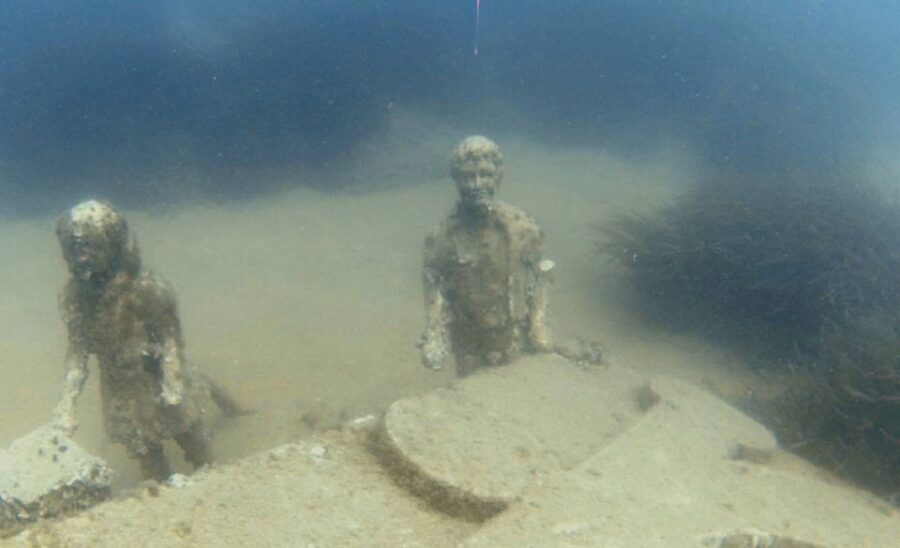
This isn’t just a swim with pretty fish. You’re visiting an underwater art setup that also functions like an open-air museum—sculptures arranged where they’ve been placed in the Mediterranean Sea. The museum route is designed around a shallow depth, so you spend your energy looking at the installations and the life around them, not fighting the conditions.
The standout for me is the combination of scale and simplicity. You’re exploring around 110 sculptures, yet the plan stays short and controlled with two underwater sessions. That matters because underwater time is intense, even when it’s shallow, and a tight schedule helps keep the experience enjoyable rather than exhausting.
Also, you’re not only looking at man-made forms. The guides and setup are built for you to notice how the sculptures are surrounded by sea plants and animals. That mix—art plus ecosystem—is the reason the museum feels special, even if you don’t consider yourself a museum person.
Other Side tours we've reviewed in Side



Getting there from Side: Pickup, boat transfer, and sun reality
The day starts with hotel pickup in and around Side, including areas like Gundogdu, Colakli, Evrenseki, Kumkoy, Side itself, Sorgun, Titreyengol, Kizilagac, and Kizilot. Then you ride in an air-conditioned bus to the harbor zone and move to the boat on foot.
Here’s the practical note: expect some walking in the heat. One visitor described a roughly 2 km walk in intense sun from the Side gates area to the diving boat. Even if your route is shorter, the takeaway is the same—this is not a shoes-off, instant-boat kind of transfer.
My advice is simple. Wear shoes you’re comfortable walking in, bring sun protection, and treat the transfer like a short outdoor hike. Also, drinks are not included, so it’s smart to plan for paying for water once you’re on the boat.
Gear and safety briefing: How the guides set you up
On board, you’ll get a safety briefing in each of the tour languages (German and English). This isn’t just a quick checklist either—it’s the moment that makes first-timers feel less like they’re guessing and more like they have a system. The tour also provides diving equipment and an instructor for each guest, which changes the whole vibe from group chaos to guided confidence.
You don’t need previous scuba experience. That’s a big deal for Side, because people can come on holiday thinking they’ll be forced to “perform,” when the plan is built for newcomers. With shallow depths and structured sessions, the guides can focus on comfort, breathing control, and basic positioning.
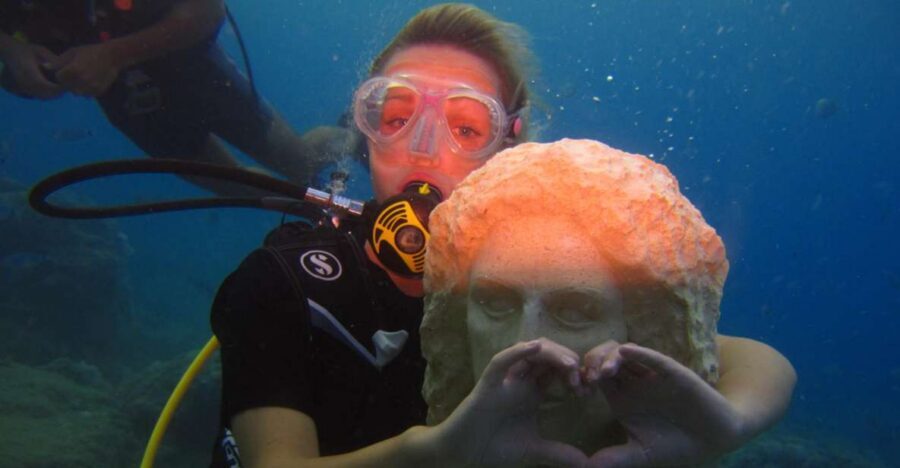
One more point that matters: cameras are not allowed. If you care about underwater photos, you’ll need to rely on the photo team and any purchased photo options (like a DVD). That may feel restrictive at first, but it also keeps the activity safer and more controlled, since everyone isn’t trying to manage a camera setup while learning.
The underwater sessions: Two short visits to the sculptures
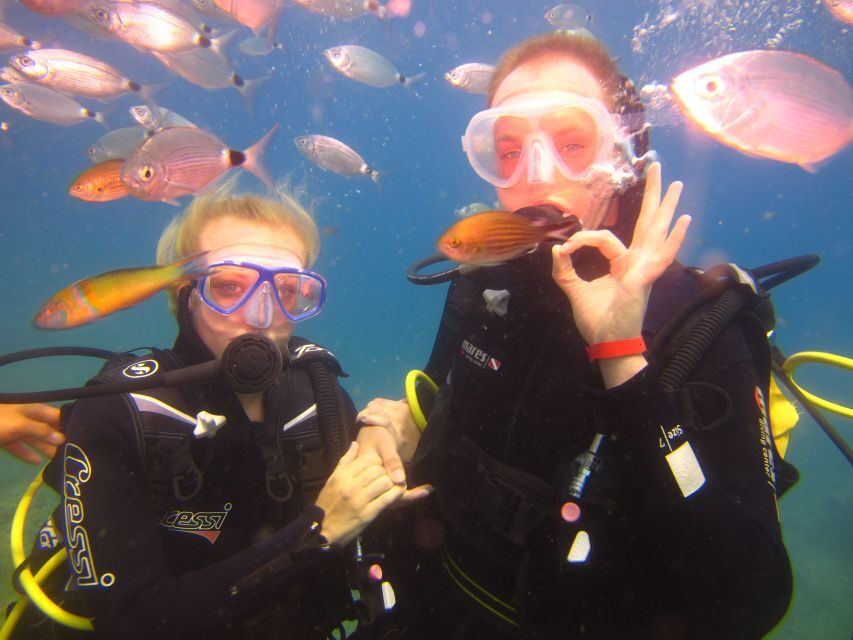
You’ll do two 20-minute underwater sessions in the museum area, with a rest period on the boat between them. Total water time is short enough that you stay alert, and the second session gives you a chance to enjoy what you missed the first time.
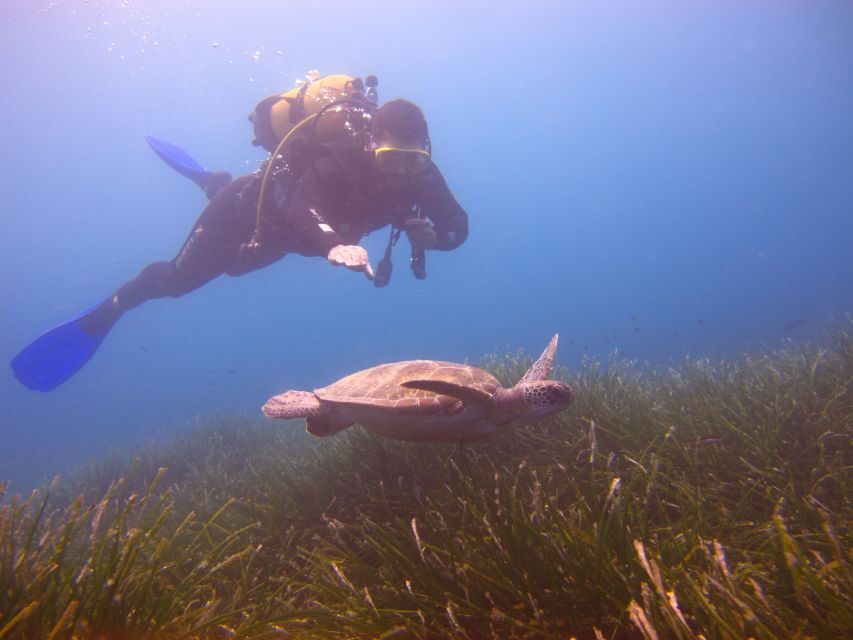
Depth is a key detail here. The museum area runs around 5–6 meters, which is shallow enough for beginners to manage with guidance. You’ll be in that sweet spot where you can still look around clearly, track the sculptures, and notice sea life drifting by.
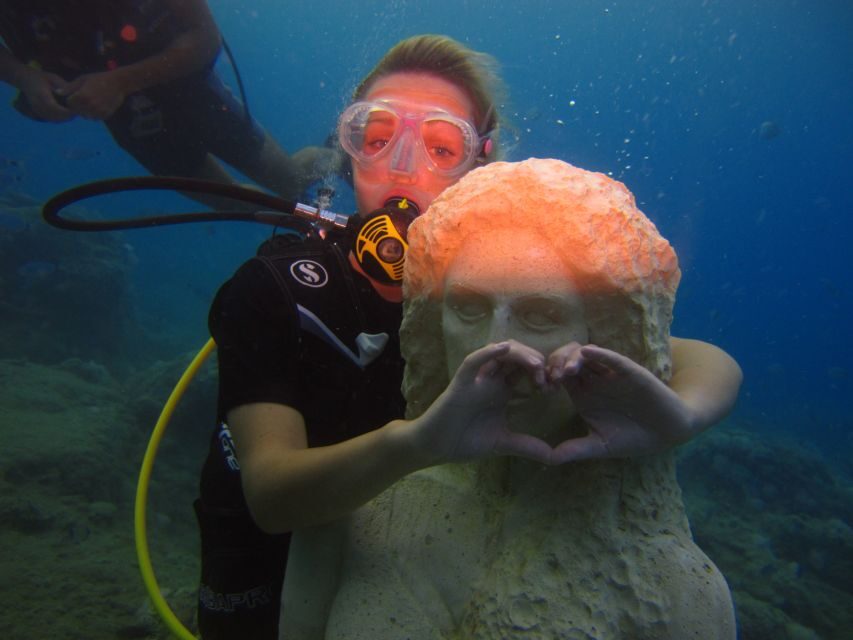
What you’ll see is the point: sculptures placed in the sea that represent parts of Anatolian history, with plants and animals that make the area feel alive. The installations aren’t just decoration either. They act like landmarks underwater—so your brain has something to orient around while you learn how to move calmly.
If you’re anxious about the first descent, you’ll want to know this: the experience is set up for people who might feel nervous at the start. Many first-timers need a slow intro, reassurance, and a careful check-in at the surface before continuing. Plan to tell your instructor right away if you feel overwhelmed. With one-on-one coaching, you’re not stuck.
Between sessions: the long rest, the lunch, and what to do with it
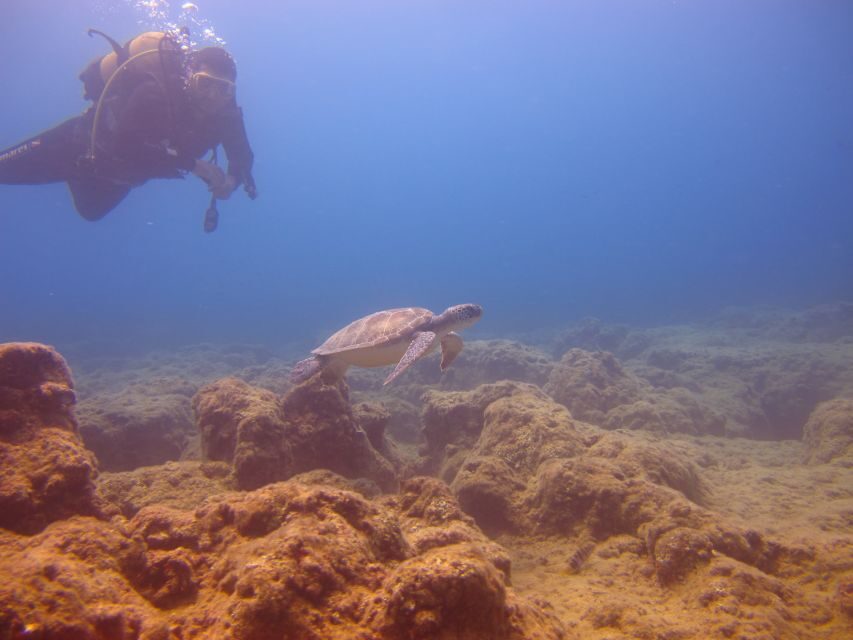
Between the two underwater sessions, you’ll have a rest on the boat for about 1.5 to 2 hours. During that break, you’ll enjoy lunch while you’re still on the water—an advantage for people who get cold or drained and need a real reset.
Lunch is included, but drinks are not. That means your onboard meal is the time you’ll want to focus on food and hydration planning. One practical complaint from visitors is that paid drinks can feel pricey once you’re expecting resort-style extras. I’d treat drinks as a separate budget line and bring cash or card ready.
Also, this is a good window to warm up mentally. Underwater time can feel like it goes fast, then you realize you’re hungry and tired. Use the rest to stretch, rehydrate, and let your ears and body settle before the second session.
Other city tours we've reviewed in Side





The real value of $50: What’s included (and what isn’t)
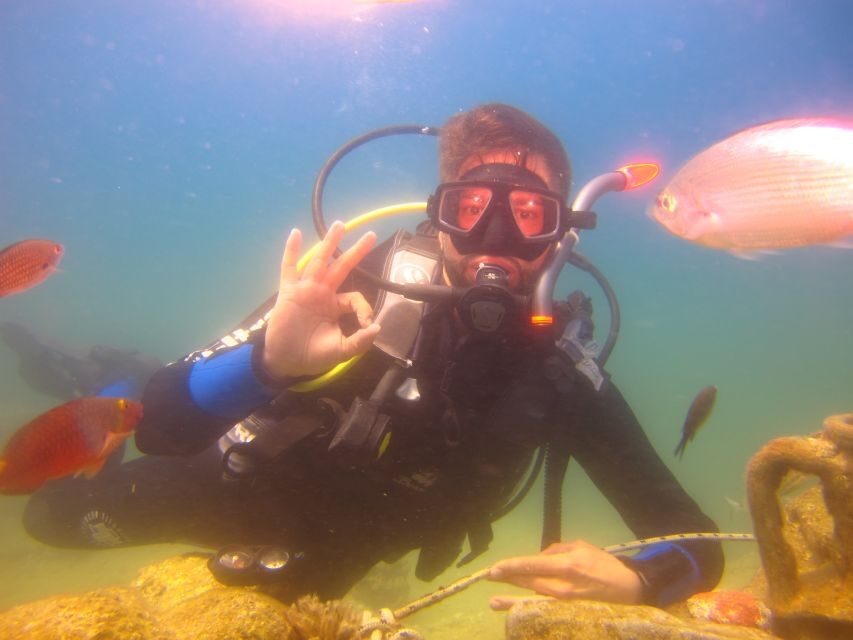
At around $50 per person, the pricing makes sense mainly because it bundles the expensive bits: transportation from hotels, equipment, lunch, and insurance. You’re also getting instruction for each guest, plus a structured plan that doesn’t rely on you being an advanced diver.
What you should treat as extra:
- Drinks (not included)
- Photos and DVD (available for purchase, not included)
If you compare this to doing a private guide or booking gear plus boat time separately, the value is in the package. You’re paying for convenience and a guided experience at a shallow, controlled depth—exactly what beginners usually need.
One more cost reality: no cameras allowed. If you planned to bring a GoPro or phone case, you’ll need a rethink. The tour’s photo team exists for a reason, but you should expect to pay if you want the souvenirs.
Who this suits best (and who should skip it)
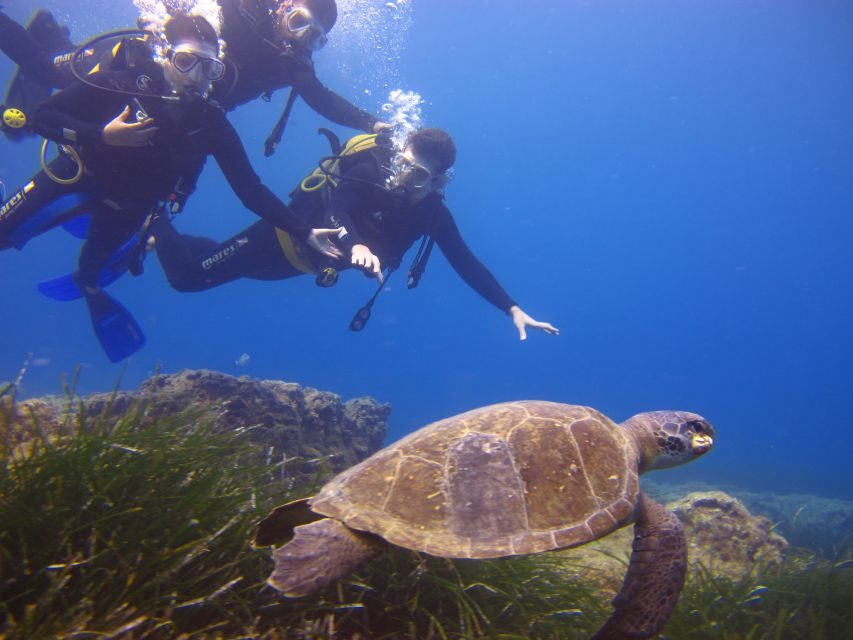
This is a great fit if you want a first underwater experience without a heavy training day. The shallow depth and the instructor support make it realistic for newcomers, and the museum theme adds a reason to pay attention beyond “just swimming around.”
It also fits well if you like structured activities. Two short sessions, a defined rest period, and a clear schedule mean you can enjoy the day without guessing what happens next.
But you should skip it if any of the stated limitations apply. The tour is not recommended for people with health problems, and it’s explicitly not suitable for:
- children under 16 (they may only snorkel, not scuba)
- pregnant women
- people with claustrophobia or vertigo
- people with epilepsy
- people with pre-existing medical conditions
- people with respiratory issues
If you have any doubt, ask your doctor first. Underwater activities can be safe, but your body’s conditions matter more than the brochure.
Practical tips that make the day smoother
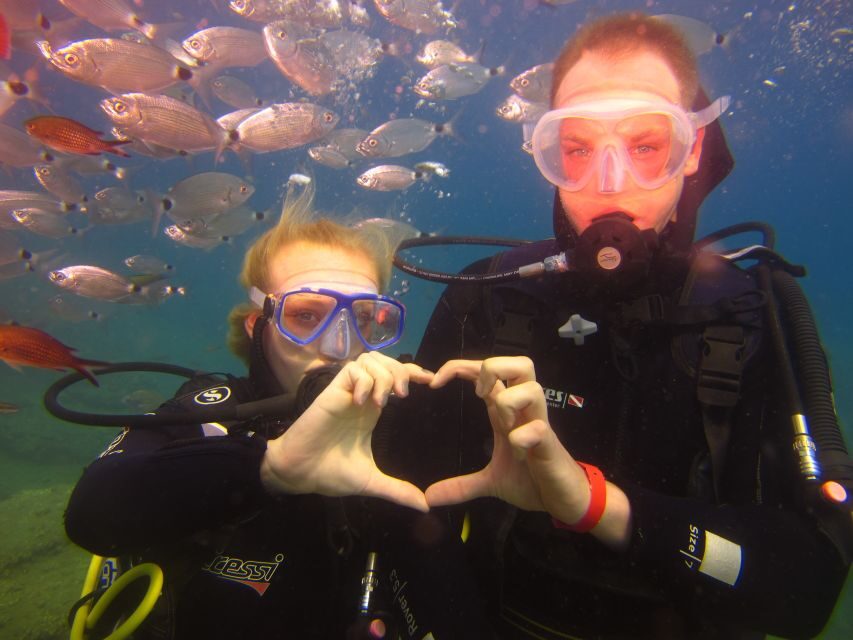
Even with good guiding, you’ll enjoy the day more if you prepare for the land-to-boat transition and the shallow-water session pace.
Bring:
- Swimwear
- Towel
Expect:
- No cameras allowed, so plan around photo team options.
- A boat day with time sitting between sessions, so wear something easy to dry or put back on.
- Potentially noticeable heat during the walking transfer.
And here’s a mindset tip. Some people feel stressed the first time they go underwater. If that happens, the best move is the simplest: tell your instructor immediately. The one-on-one setup is there for exactly that moment.
Should you book this Side Underwater Museum scuba visit?
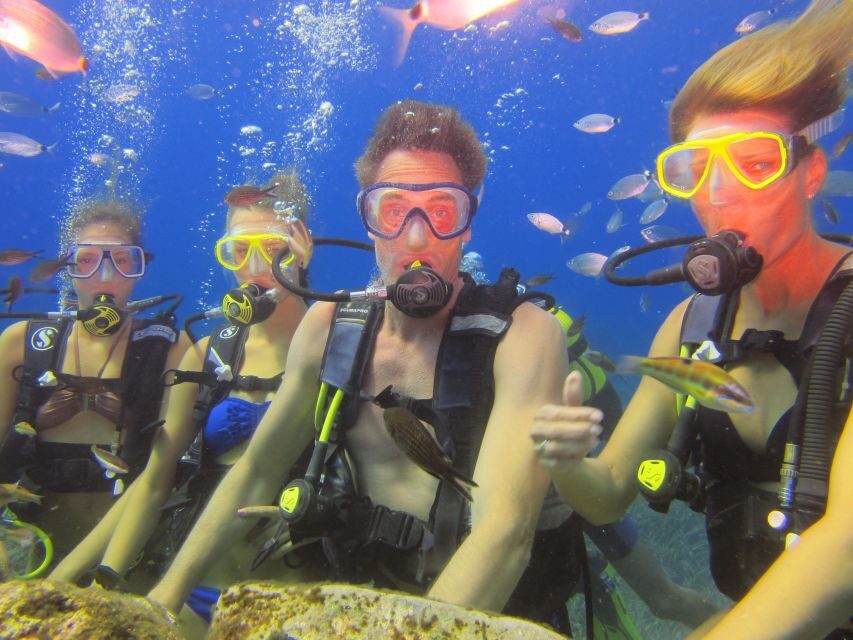
If your goal is a bucket-list underwater experience that’s friendly for first-timers, I’d strongly consider booking. You’re getting a rare museum setting, a shallow depth around 5–6 meters, and strong support via an instructor for each guest, plus equipment and lunch included.
If you hate heat, dislike long outdoor transfers, or get frustrated by extra onboard costs, book with your eyes open. Plan for walking time, bring sun protection, and assume drinks and photo souvenirs are added expenses.
Also, if you’re camera-minded, double-check your comfort with not using your own camera. The tour uses a photo team, but your personal souvenir expectations may need adjusting.
Bottom line: this is one of those experiences where the structure and shallow water are the secret sauce. If that works for you, it’s a memorable, genuinely unusual day out from Side.
FAQ
How long is the experience?
The total duration is about 7.5 hours.
Does this include hotel pickup and drop-off?
Yes. Pickup and drop-off are included in Side and nearby areas like Gundogdu, Colakli, Evrenseki, Kumkoy, Sorgun, Titreyengol, Kizilagac, and Kizilot.
Is prior scuba experience required?
No. It is not necessary to have previous scuba diving experience.
How many underwater sessions are included?
You’ll have two underwater sessions of 20 minutes each.
What depth will you be at during the museum visit?
The museum area is at a depth of about 5–6 meters.
Can kids participate with scuba?
Children under 16 may only go snorkeling and are not permitted to scuba dive.
What is included in the price?
Included items cover hotel pickup and drop-off, diving equipment, snorkeling equipment, two 20-minute underwater sessions, an instructor for each guest, lunch, and insurance.
Are drinks included?
No. Drinks are not included.
Are cameras allowed?
No. Cameras are not allowed.
Who should avoid this activity?
It is not recommended for people with health problems, and it’s not suitable for pregnant women, people with claustrophobia, vertigo, epilepsy, pre-existing medical conditions, or respiratory issues.