REVIEW · ANTALYA
Explore The Old Town With Local Taste
Book on Viator →Operated by Antalya Local Guide · Bookable on Viator
A perfect old town intro starts small. This Antalya tour stitches together Kaleiçi history with real street corners and a hands-on feel for everyday life in the Ottoman era. I like that it’s paced for a relaxed walk, not a sprint, and the viewpoints include both well-known spots and quieter angles.
Two things I really appreciate: the focus on practical orientation in the maze of Old Town streets, and the museum stop that turns objects into stories through animated exhibits. One thing to consider is that it depends on good weather, so plan for the possibility of a reschedule if conditions are rough.
In This Review
- Kaleiçi With a Local Guide and a Real Sense of Flow
- Key Highlights You’ll Actually Feel During the Walk
- Price, Timing, and Logistics That Make Sense
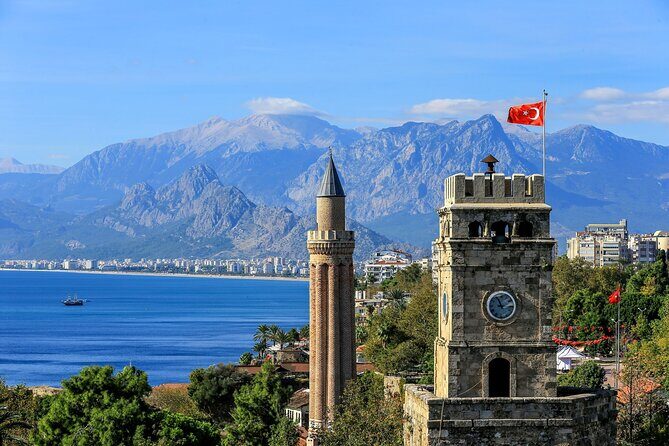
- Starting at Antalya Clock Tower: Your Compass for Kaleiçi
- Yivli Minaret and the Religious Landmarks Route
- Kaleiçi’s Shortcut Energy: Karatay Madrasah and Kırkmerdiven
- The Ancient Port Loop: Kaleiçi Marina and Harborside Views
- Hıdırlık Tower: Roman-Era Clues Over the City Walls
- Antalya Ethnography Museum: Ottoman Daily Life in Animated Rooms
- Kecili Park and Hesapçı Sokak: Small Stops With Big Visual Payoff
- Sweet Finish: Irmik Halvası With Ice Cream, Tahini, and Peanut
- Who This Tour Fits Best (and Who Might Want Something Else)
- Should You Book This Antalya Old Town Walk?
- FAQ
- What time does the tour start, and how long is it?
- How much does the Antalya Old Town tour cost?
- Is the tour in English, and how big is the group?
- What’s included at the end of the tour?
- Are admission tickets included for the stops?
- Where does the tour start and where does it end?
Kaleiçi With a Local Guide and a Real Sense of Flow
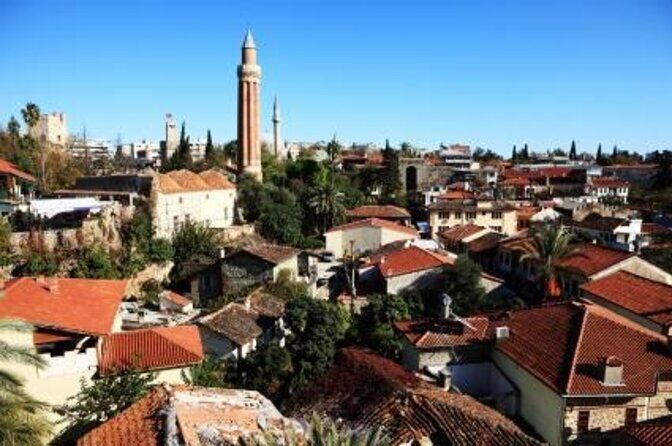
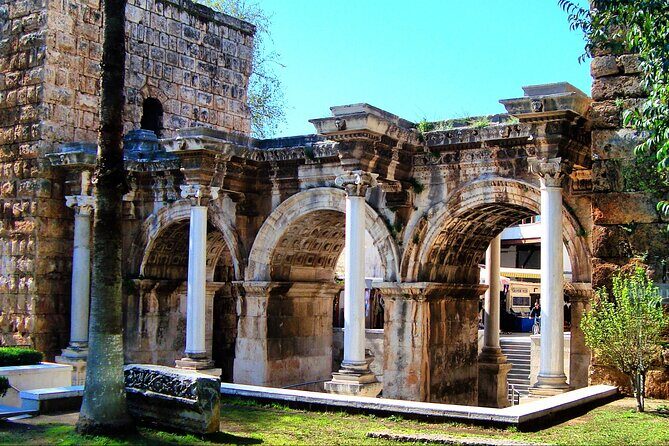
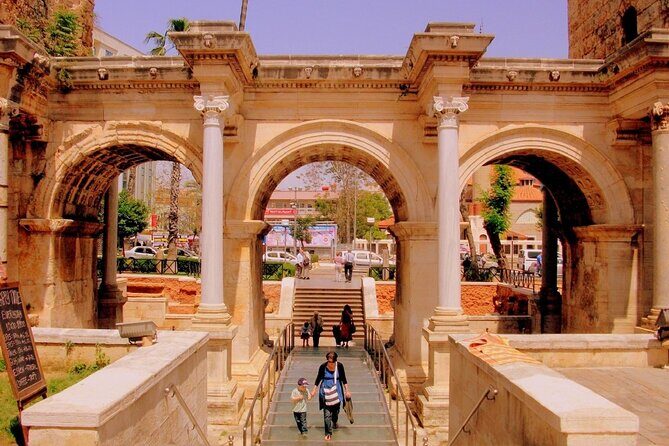
If you’ve ever felt lost in an old city, this kind of route helps fast. Starting at the Antalya Clock Tower and ending near Hadrian’s Gate, you get a clear sense of how the area connects—religious landmarks, shortcut stairs, the harbor, and the views all tie together.
What makes the walk especially enjoyable is the small group size (max 15). That tends to mean questions get answered, photo stops don’t feel rushed, and the guide can slow down when someone needs time to look closer. In multiple reviews, the guide is described as lively and deeply invested in Antalya, often credited by name as Önder/Onder, with a teaching background that shows in the explanations.
The other big win is the food finish. The tour ends with a local Irmik Halvası tasting—semolina halva served with ice cream, tahini, and peanut. It’s simple, local, and gives you a sweet marker at the end of a long walk day.
Key Highlights You’ll Actually Feel During the Walk
- Small group, relaxed pace: maximum 15 people helps keep the route manageable and conversation easy.
- Photo stops at smart viewpoints: you get angles over the harbor and Mediterranean views, not just random scenic moments.
- Ottoman-era ethnography museum stop: the exhibits use animation to show daily life rooms and even Yörük culture.
- Kaleiçi orientation in one route: you’ll walk the main shortcut and street layout so you can navigate on your own after.
- Free admission for the listed sights: the stops on this route show free entry, including the ethnography museum.
- Irmik halva tasting at the end: semolina halva paired with ice cream, tahini, and peanut is included.
If you're still narrowing it down, here are other tours in Antalya we've reviewed.


Price, Timing, and Logistics That Make Sense
This tour costs $26.96 per person and runs about 2 hours 30 minutes to 3 hours. It’s offered in English, starts at 4:00 pm, and is typically booked about 10 days in advance, which is a good sign that it fits well into most first-time visitor plans.
Value-wise, the price isn’t just for walking. You’re paying for a guided route that strings together major landmarks plus the smaller, memorable corners in between. Also, the tour includes a dessert tasting and lists free admission at each stop on the route, including the museum.
A practical note: you’ll be doing a fair amount of strolling on older streets. Kaleiçi is built for pedestrians, but it’s also built the way historic quarters often are—tight lanes and uneven surfaces. If you’re okay walking steadily and standing for a few photos, you’ll be fine.
Starting at Antalya Clock Tower: Your Compass for Kaleiçi
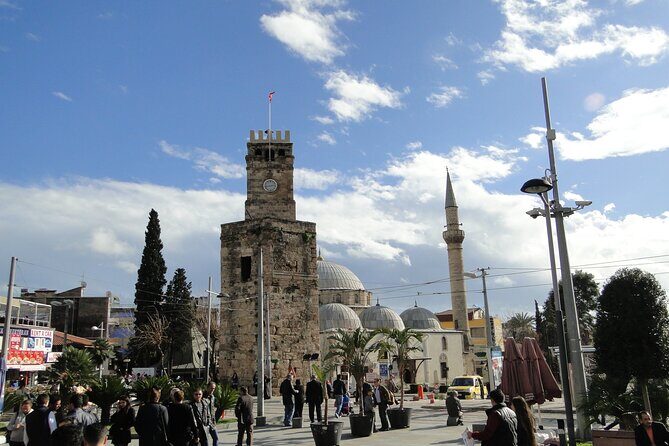
You begin at the Antalya Clock Tower area near Tuzcular and İmaret Sk. It’s a solid start because the clock tower gives you a landmark you can picture later when you’re trying to remember where you came from.
From there, the route quickly becomes about context. You walk into the Old Town and start seeing how Antalya layers time—Ottoman-era buildings, Roman-era clues, and maritime history all sit close together. One of the quiet advantages of this kind of guided start is that it reduces the mental load. Instead of guessing where to go next, you’re following a line that makes the city’s story easier to understand.
Yivli Minaret and the Religious Landmarks Route
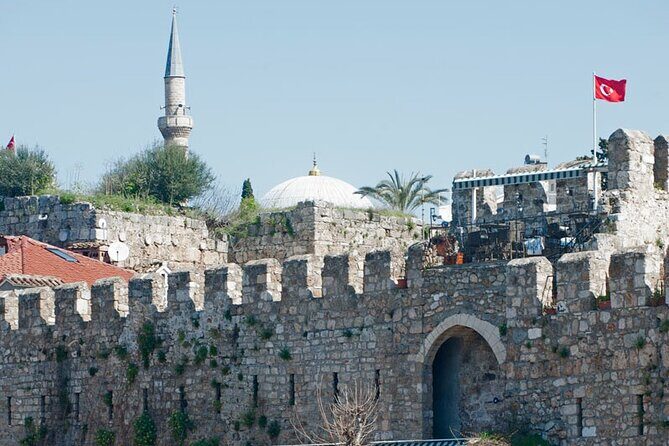
One of the first “wow” moments is the Yivliminare Cami complex. The highlight here is the fluted minaret, which is visually distinctive and easy to recognize later even if you forget everything else.
This stop works well for two reasons. First, it connects architecture to function—you’re looking at a mosque complex, not just taking a quick look at a tower. Second, the guide’s explanations (often praised in reviews) tend to connect religious sites to broader city development, so you don’t feel like you’re collecting random facts.
From there, you continue walking deeper into Kaleiçi, moving toward other landmarks tied to education and historic institutions like the Karatay Madrasah area. Even if you’re not a “museum person,” this part helps you notice details you’d normally speed past on your own.
Kaleiçi’s Shortcut Energy: Karatay Madrasah and Kırkmerdiven
As you move along, you’ll pass key Old Town connections, including the area around the Karatay Madrasah. It’s not the biggest stop on the route, but it helps you understand why people historically built and used corridors and institutions in close proximity.
Then comes Kırkmerdiven Sokak—the Forty Stairs shortcut. This is one of those places where you can feel the city working as a lived-in place, not just a picture. You walk over this historic shortcut and head toward the ancient port area, so the effort you put into the stairs pays off in the harbor views later.
If you want a small “secret” benefit from a guided route, it’s this: the guide helps you place physical effort in context. Instead of thinking, Why am I walking up here?, it feels like, This is how people used to move.



The Ancient Port Loop: Kaleiçi Marina and Harborside Views
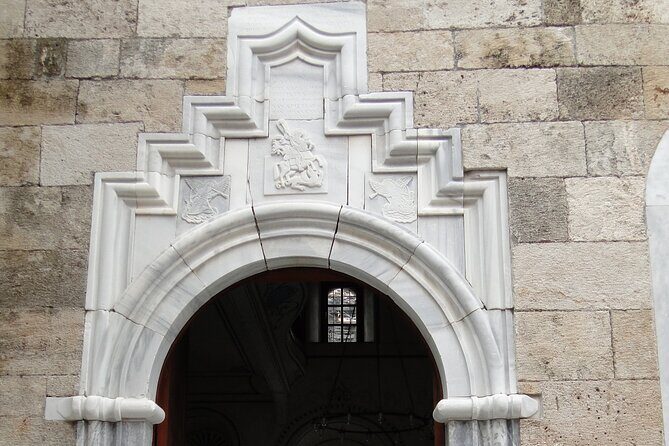
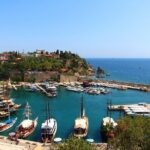
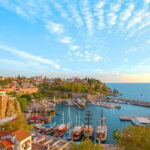
Next you reach Kaleiçi Marina, where you walk inside the old harbor. The focus here is the ancient protection walls of the port and the port boats. This is a good contrast to the narrow streets because you’re stepping into an open, sea-facing pocket.
After that, the route shifts to one of the best photo layers: Mermerli Beach. From a viewpoint near the beach, you look out toward the harbor and the sea with the surrounding mountains in frame. It’s a strong stop for anyone who likes composition. Even if you’re not a serious photographer, you’ll likely get at least a couple of keepers here.
You should also know what you’re trading for these views. Time spent at viewpoints means less time elsewhere, so this tour leans into the idea that photos and perspective are part of understanding the city—not just extras.
Hıdırlık Tower: Roman-Era Clues Over the City Walls
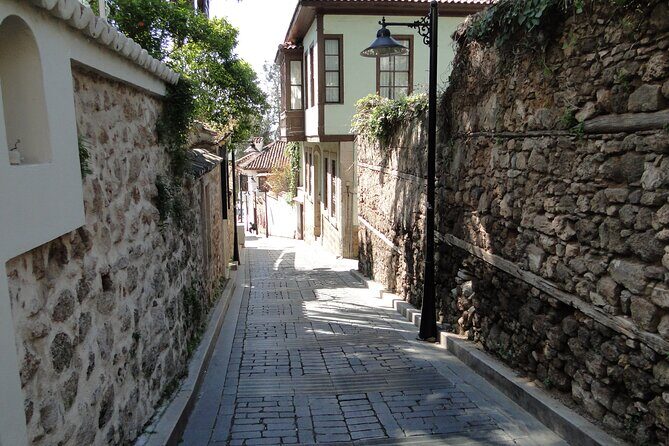
Hıdırlık Tower is the kind of stop that makes Antalya feel older than you expected. This cylindrical tower sits on the city walls and is thought to connect to Roman-era power and maritime watching.
The tour describes it as a structure built on the walls in the 2nd century. It’s 14 meters high, square at the base and cylindrical at the top. The idea that it may have functioned as a lighthouse and watchtower is the hook here, because it ties the tower back to ships arriving in the bay.
If you like “why was this here” moments, this is a good one. It turns a single building into part of the broader coastline story.
Antalya Ethnography Museum: Ottoman Daily Life in Animated Rooms
For many people, this is the mental reset of the trip. The Antalya Ethnography Museum sits in Kaleiçi and is created from the arrangement of a historical Ottoman-period mansion. Instead of static display cases only, it uses animation to bring daily life scenes to you in different rooms.
You’ll see objects from everyday life during the Ottoman period presented with story-like context. There’s also a focus on Yörük life, which the exhibits treat as an important part of Antalya culture. Even if you only skim, the way the rooms are arranged helps you picture how people lived, worked, and traveled in a pre-modern city.
A practical benefit: museum time is easier on your legs than endless street walking. It also gives you a chance to cool down a bit if the evening is warm.
Kecili Park and Hesapçı Sokak: Small Stops With Big Visual Payoff
After the museum, the tour keeps you moving but shifts to lighter, photogenic breaks.
Kecili Park is a tiny spot with an elevated overlook. You can see the historic harbor, the Mediterranean, and the mountain views, plus there’s a balcony-like spot that’s easy for photos. It’s short, but it changes the angle again, so your tour doesn’t feel repetitive.
Then you reach Hesapçı Sokak, the narrow street that feels like a time-warp. It’s described as a street where historical houses and bay windows sit close to the footpath, and where gardens and fruit trees can cover the street with flowers like bougainvillea and jasmine. It’s also the main street associated with bars, restaurants, and souvenir vendors.
This stop is useful even if you don’t plan to shop right away. It’s a quick way to understand where the “hang out and eat” areas are concentrated in Kaleiçi, so you can make better choices later.
Sweet Finish: Irmik Halvası With Ice Cream, Tahini, and Peanut
You’ll end with Milklaç Işıklar, described as a local dessert store. The highlight is semolina halva tasting—Irmik Helvasi—served with ice cream, tahini, and peanut.
This matters more than it sounds. A guided walking tour can blur into one long string of stops. Ending with something local and specific gives you a clean conclusion, and it’s also a nice moment to ask last questions while everyone’s settled.
If you’re curious but cautious about very sweet desserts, the ice cream and nut additions still give balance. It’s a familiar Turkish classic in a tasting portion, not a huge plate you have to finish.
Who This Tour Fits Best (and Who Might Want Something Else)
This is a great match if you:
- want an easy way to get your bearings fast in Kaleiçi
- like Old Town walking that includes both famous sights and smaller photo angles
- enjoy a museum stop that tells stories, not just labels
It may feel less ideal if you:
- dislike walking long distances on uneven streets
- want a deeper, longer-form archaeology or architecture class
- prefer only independent touring without a set route
The guide is a big part of why this works. Reviews repeatedly credit Önder/Onder for story-driven explanations, humor, and for pacing the tour to keep everyone engaged—including kids in at least one example. That combination often turns a “just see the sights” walk into a trip you remember later.
Should You Book This Antalya Old Town Walk?
Yes, I’d book it if you’re spending limited time in Antalya and want the Old Town to make sense quickly. The route is compact, timed well with a 4:00 pm start, and designed around viewpoints plus one major indoor stop. The inclusion of the semolina halva tasting adds a local payoff that makes the tour feel complete, not just instructional.
I’d skip it only if your plan is to stay strictly on the beach or you hate guided structure. But for most first-timers, this is a smart way to see Kaleiçi with context and come away knowing where things are.
One final practical thought: since the experience depends on good weather, check conditions on the day. If it gets disrupted, you’ll usually want a plan that keeps you flexible.
FAQ
What time does the tour start, and how long is it?
The tour starts at 4:00 pm and runs about 2 hours 30 minutes to 3 hours.
How much does the Antalya Old Town tour cost?
The price is $26.96 per person.
Is the tour in English, and how big is the group?
The tour is offered in English, and it has a maximum of 15 travelers.
What’s included at the end of the tour?
The tour includes a semolina halva tasting (Irmik Helvasi) served with ice cream, tahini, and peanut.
Are admission tickets included for the stops?
The tour lists admission tickets as free for the stops along the route, including the ethnography museum.
Where does the tour start and where does it end?
It starts at Antalya Clock Tower in Tuzcular, İmaret Sk. and ends at Hadrian’s Gate at Barbaros, Atatürk Cd.