REVIEW · ANTALYA
Ancient Perge, Aspendos Amphitheater and City of Side Tour
Book on Viator →Operated by Tourmania · Bookable on Viator
Ancient ruins, neatly arranged. This 10-hour Antalya day strings together Perge, Aspendos, and Side with hotel pickup and drop-off, a mobile ticket, and an English guide who explains what you’re looking at.
I love the small-group cap of 15, because the commentary stays focused and you get real answers at each stop. I also like that the schedule balances guided time with moments to wander, plus lunch is included, so you’re not stuck buying food between ruins.
One possible drawback: your budget may creep up a bit since some entrance fees are separate, and the long day can feel hot—especially if you’re sensitive to heat on the minibus and during any waterfall stop.
In This Review
- Key highlights at a glance
- A single day that covers thousands of years
- Morning pickup and how the day stays manageable
- Perge Antik Kenti: Roman structure with older roots
- The theater that hints at big-city life
- Artifacts you’re not stuck imagining
- Aspendos Amphitheater: the Roman theater moment people talk about
- Side and the Temple of Apollo: columns by the sea
- The Side town time: charming, shop-heavy, and easy to over-shop
- Argentum shop stop: useful if you want a souvenir plan
- Lunch and the trade-off between included and extra
- The waterfall stop: serene if the timing works
- Price and value: does $42.33 cover what you care about?
- What it’s really like with the guides
- Who should book this tour (and who should think twice)
- Should you book this Ancient Perge, Aspendos Amphitheater and Side tour?
- FAQ
- How long is the tour?
- What time does the tour start?
- Is hotel pickup included?
- Is lunch included?
- What language is the tour guide?
- How big is the group?
- Are entrance fees included?
- Does the tour have a mobile ticket?
- What if weather is poor?
- Can I get a full refund if I cancel?
Key highlights at a glance
- Max 15 travelers for clearer guide time: less shouting, more context as you move through each site.
- Perge Theater details that actually click: a 15,000-capacity theater and a city plan built around major streets.
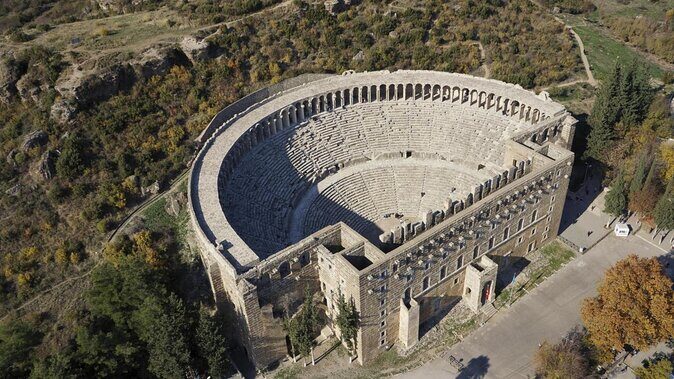
- Aspendos Amphitheater is the star moment: a rare Roman theater that still feels shockingly intact.
- Apollo Temple at Side is included: iconic columns by the waterfront, with entrance covered (when selected).
- Lunch plus transfers = easier logistics: you spend less time figuring out how to get from A to B.
- Guides matter here: names like Ozzy, Ibrahim, Oğuzhan, and Gamze show up often for strong storytelling.
A single day that covers thousands of years
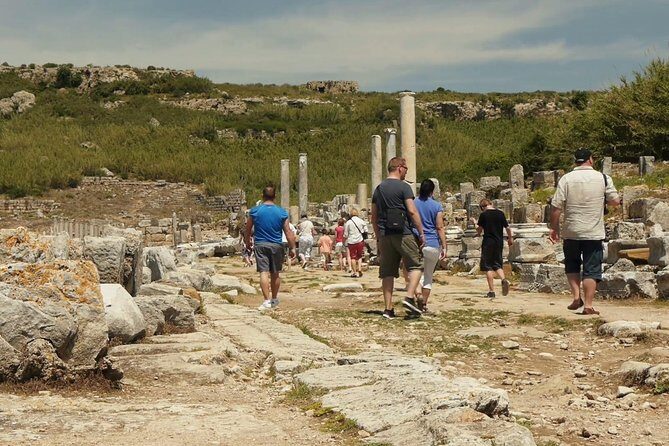
This tour is built for people who like their vacation history with something solid to look at. In one day, you see layered civilizations close together: Perge’s Roman urban design, Aspendos’ theater legacy, and Side’s Greek-era waterfront ruins.
What makes it work is the pacing. You’re not just dropped in front of stones and told good luck. You get an English guide, ground transfers, and time to actually see each place—plus an included lunch to keep you functional.
Other Side tours we've reviewed in Antalya


Morning pickup and how the day stays manageable
The tour starts at 8:00 am, with hotel pickup in Antalya, Lara, Kundu, Kaleiçi, and Konyaaltı. You’ll travel by minibus with a small group (up to 15 people), which makes a difference when you’re moving between sites and trying to hear the guide over the bustle.
There’s also a clear “you’re on vacation, not on a mission” vibe. Transfers are included, and you don’t have to worry about finding the right entrance, bus, or ticket line by yourself. You’ll also have a mobile ticket, which tends to make check-in smoother.
One practical note: the day is long. Even if the group stays small, you’ll still spend time in transit. If you’re prone to feeling overheated, bring water and a hat, because the region can be intense.
Perge Antik Kenti: Roman structure with older roots
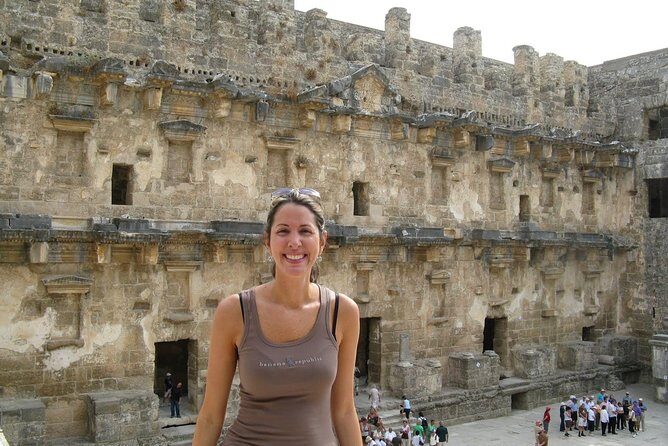
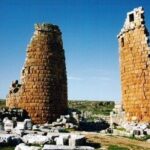
Perge Ancient City sits in the Aksu district, about 17 km from Antalya. What I like about Perge is that it’s not just impressive. It’s readable. The city plan is based on major street lines: two main roads running east–west, plus streets in the north–south direction.
In the Roman period, Perge became known as one of Anatolia’s more organized cities. That organization shows in the way the site is laid out, and you can see why the excavations turned up so much sculpture and architectural detail.
The theater that hints at big-city life
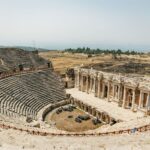
Perge’s theater is one of the standouts. It’s described as having a capacity of 15,000, and it’s considered well preserved. The building includes a double-storey section (noted as M.S.) built in the 2nd century, which helps you understand how performance space connected to the wider city.
If you like “how it worked” history, ask your guide to point out what survives and what it suggests. The site isn’t just a backdrop; it’s a functioning clue to how Roman entertainment was staged.
Artifacts you’re not stuck imagining
Perge is also tied to marble sculpture finds. Those excavations helped make Antalya Museum a key sculpture stop, including a dedicated area sometimes referred to as the Perge Theater Hall.
Even if you don’t visit the museum today, Perge gives you enough context to understand why the sculptures mattered. You start seeing the site as part of a larger story, not a one-day photo stop.
Time at Perge: about 1 hour, and the ticket for Perge is not included by default. With only an hour, you’ll want to prioritize what your guide points out most.
Other Aspendos tours we've reviewed in Antalya

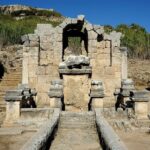
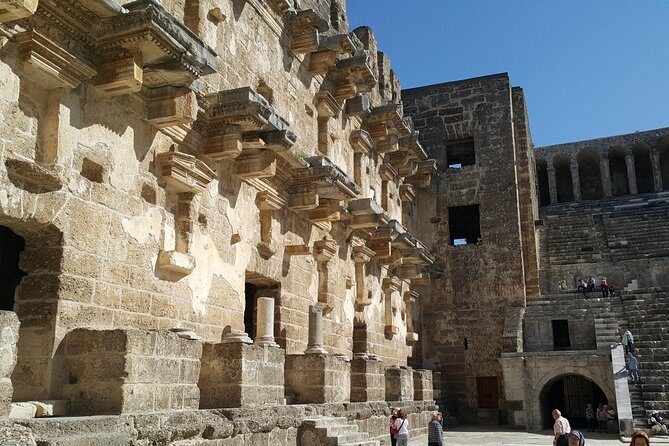
Aspendos Amphitheater: the Roman theater moment people talk about
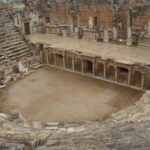
Aspendos is the second big historical punch. The main highlight is the amphitheater, widely known for being exceptionally well preserved. In plain terms: you’ll feel how serious Roman theater was.
This is where the tour’s guided style really pays off. A good guide helps you “read” the amphitheater—where sound likely carried, how the seating shapes the view, and how the Roman love of spectacle played out in a place far from Rome.
Time at Aspendos: about 2 hours. Entrance for Aspendos is listed as not included, so expect to pay on-site unless you chose an option that bundles it.
If you’re visiting in hot weather, take advantage of your time wisely. Arrive ready for sun exposure and plan for quick water breaks. Some people find the day more tiring than they expected, even when the sights are worth it—which is why the small-group size helps.
Side and the Temple of Apollo: columns by the sea
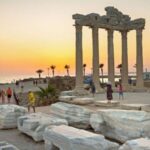
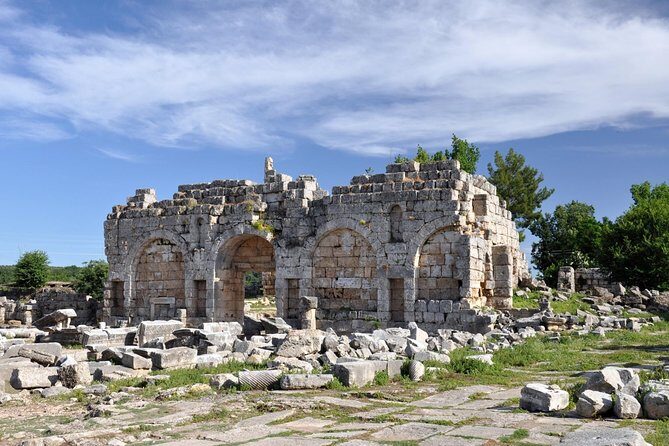
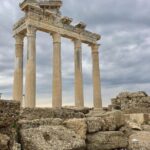
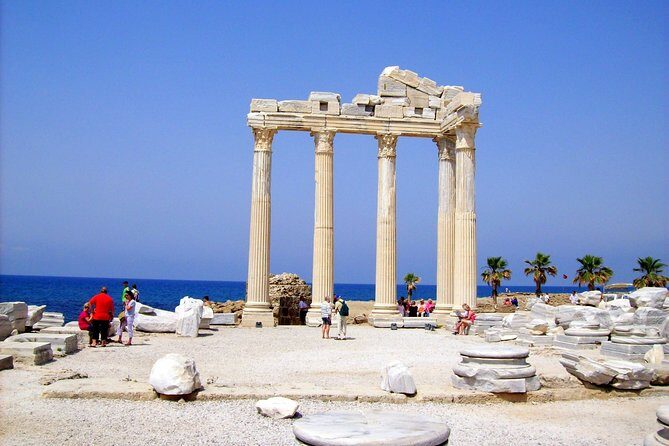
Side is a lively-feeling area even when you’re mostly focused on ancient ruins. The Temple of Apollo is a waterfront landmark with iconic columns and stone structures—exactly the kind of setting where ruins feel real, not staged.
What I like here is that you get two different experiences in the same stop. You have the archaeology moment (the temple ruins) and you also have the seaside atmosphere where you can slow down and look around.
Time at Apollo Temple: about 2 hours, and the entrance is included (at least for this stop when selected). This is also one of the easiest places to spend extra time if you’re not rushing—there’s just something calming about seeing old stone backed by the sea.
The Side town time: charming, shop-heavy, and easy to over-shop
Side itself is known for restaurants and shops, and you’ll likely get some time to wander. One review-style tip I’d borrow: pace yourself. If you hit Side hungry and scroll-friendly, it’s easy to burn your limited time on the nearest souvenir.
You may also run into a short shuttle ride from a parking area to the ruins entrance. It’s not unusual in this kind of setup, and it can save your legs for walking once you arrive.
If you want a simple win, decide ahead of time what you want from Side:
- a quick look at the Apollo area
- a slow walk for photos
- a meal or snack in the seaside zone
Then let the rest be bonus.
Argentum shop stop: useful if you want a souvenir plan
Between ruins, the tour includes ARGENTUM, a local shop where you can browse and pick up souvenirs. These stops can be hit-or-miss on other tours, but here it’s fairly straightforward: you’re not losing a huge chunk of the day to shopping.
If you like buying small reminders, go in with a budget and treat it like a curated marketplace, not a required purchase. If you’re not in the mood, use the hour as a chance to step out, refresh, and regroup.
Lunch and the trade-off between included and extra
Lunch is included. That’s a big deal on a long day like this, because it removes one of the toughest parts of self-guiding: finding food at the right moment.
Drinks during lunch are not included, so grab water thoughtfully and plan for extra spending there. One review mentioned a buffet-style lunch at a village overlooking a river, including items like homemade yogurt—so the experience can be pleasant, not just functional.
If you have dietary needs, I’d treat lunch as an important decision point. The tour data doesn’t spell out specific menu options, so it’s smart to be ready to ask what’s available when you arrive.
The waterfall stop: serene if the timing works
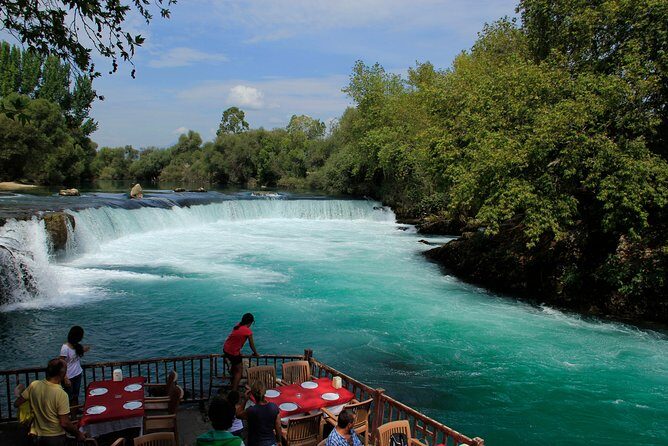
A number of departures include a waterfall stop, often referenced as Manavgat waterfall. Some people love ending the day with a quieter natural pause, while others feel it takes time away from the major ruins.
On hot days, this stop can also feel more rushed, and the van comfort becomes a bigger issue. One review called out that the air conditioning was working but still didn’t cool the group enough for them.
If you’re deciding whether this stop will bother you, consider your style:
- If you like a final “reset” moment, you may appreciate it.
- If you came for ruins only, be ready that the day includes some non-ruin time.
Price and value: does $42.33 cover what you care about?
The price listed is $42.33 per person, for a day around 10 hours. That’s not just a cheap ride to old stones. You’re paying for hotel pickup and drop-off, a professional guide, and lunch.
Now the fine print: entrances aren’t fully handled. Perge and Aspendos list admission not included, and the overall not-included item notes entrance fees around 30€. Apollo Temple is listed as admission ticket included, which helps balance the total.
So here’s the value equation I’d use:
- If you want a guide to explain what you’re seeing, the base price feels fair.
- If you hate surprise costs, check the entrance fee plan before you go.
- If you’re sensitive to heat or travel time, the tour’s included logistics can still be good value, but your comfort budget matters too.
One more value point: this is booked about 21 days in advance on average. That usually signals steady demand, which often means you should lock your date early if your schedule is fixed.
What it’s really like with the guides
This tour seems to succeed because of the guides. Names that come up include Ozzy, Ibrahim, Oğuzhan, Recep, and Gamze, and the common thread is clear: they connect the stones to stories you can actually picture.
Some guides are louder and more outgoing; others are softer-spoken. If you’re the type who likes detailed explanation, it’s still worth it, even if you may need to position yourself to hear well. One practical tip from a review: sitting closer to the front can make the drive and views feel better.
If you want the most out of Perge and Aspendos, ask your guide to highlight what makes each site different. A lot of people visit more famous places elsewhere, and guides can help you see why these feel special even when they don’t have Rome-level crowds.
Who should book this tour (and who should think twice)
This fits you well if:
- you want three major sites around Antalya in a single day
- you like guided historical context, not random wandering
- you prefer a small group where your questions don’t get lost
You might think twice if:
- you feel unhappy when a day includes non-ruin stops (like a waterfall)
- you’re very sensitive to heat and long minibus rides
- you want lots of free time in Side, since the schedule prioritizes the big attractions
It’s also a good match for moderate walkers. The tour calls for moderate physical fitness, which usually means some uneven ground and walking between spots. If you have mobility limits, I’d be cautious and ask what the walking load looks like before booking.
Should you book this Ancient Perge, Aspendos Amphitheater and Side tour?
I’d book it if your goal is straightforward: you want a guided day that hits Perge, Aspendos, and Side’s Apollo Temple with lunch and easy logistics. The small-group size and the guide-driven explanations are the core strength here, especially at the theaters and temple ruins.
I wouldn’t book it expecting endless time at Side or a perfectly balanced day with nature. There are entrance fees beyond what’s included, and the schedule includes a stop some people find less worth it, especially on hot days.
If you’re flexible, it’s a great value way to see Roman and Greek-era highlights without spending half your vacation planning how to get there.
FAQ
How long is the tour?
It runs for about 10 hours.
What time does the tour start?
The start time is 8:00 am.
Is hotel pickup included?
Yes. Pickup and drop-off are offered for hotels in Antalya, Lara, Kundu, Kaleiçi, and Konyaaltı.
Is lunch included?
Yes. Lunch is included, but drinks are not.
What language is the tour guide?
The tour is offered in English.
How big is the group?
The group is capped at 15 travelers.
Are entrance fees included?
Entrance fees are included only when selected, and the stops list shows that Perge and Aspendos admission are not included, while Apollo Temple entrance is included.
Does the tour have a mobile ticket?
Yes. A mobile ticket is provided.
What if weather is poor?
This experience requires good weather. If it’s canceled due to poor weather, you’ll be offered a different date or a full refund.
Can I get a full refund if I cancel?
Yes. You can cancel up to 24 hours in advance for a full refund.