REVIEW · ANTALYA
Perge, Aspendos & city of Side Full-Day Tour from Antalya
Book on GetYourGuide →Operated by Smooth Travel · Bookable on GetYourGuide
Three ruins, one waterfall, and a lot of story.
This full-day tour is a smart way to connect the Hellenistic world around Antalya with Alexander the Great’s campaigns, then cool off at Kurşunlu Waterfall. I love how Aspendos Theater looks and feels so intact that you can almost picture the performances happening right now.
I also like the small group (up to 14) and the steady pace with an English-speaking guide, so you can actually ask questions instead of just staring at stones. One possible drawback: it’s a long 9 hours and the sites are packed in, so you may feel a bit rushed at certain stops, especially in the older parts of Side.
In This Review
- Key highlights you’ll feel right away
- Why this day trip works: three Hellenistic cities plus Kurşunlu
- Getting started in Antalya: central pickup, small group energy, and real guide time
- Perge: Artemis legend, Hellenistic Gate, and streets that keep their shape
- The Hellenistic Gate and monumental entrances
- Artemis Temple connection (and what it means for you)
- Apollonius of Perge and the beer legend
- A quick history thread that makes the ruins easier to read
- Practical note: watch for hawkers
- Aspendos: the theater you can still picture in action
- What the site layout teaches you
- Lunch near the river: useful fuel, not a food tour
- Side: harbor views, Temple of Apollo walk, and the reality of decline
- The drive-in and the first impressions
- Temple of Apollo and the sea view payoff
- Why Side’s ruins feel different from Perge and Aspendos
- Timing reality check
- Kurşunlu Waterfall: the cooling reset you need after ruins
- Price and logistics: is $53 good value, or just a bundle?
- What to budget on: entrances, drinks, and the pace you should expect
- Pace: expect stops to be “enough,” not “slow”
- What to bring (and what to leave behind)
- Who this tour fits best
- Should you book this Perge, Aspendos & Side full-day tour?
- FAQ
- How long is the tour?
- What’s included in the price?
- Are entrance fees and drinks included?
- Where do you pick up from?
- Is there a skip-the-ticket-line benefit?
- How big is the group?
- Is it refundable if my plans change?
- FAQ
- Is the tour suitable for travelers with mobility impairments?
- Is the tour guided and in English?
- What should I bring?
- Are pets allowed?
- Can I bring luggage?
- Can I choose flexible payment timing?
Key highlights you’ll feel right away
- Aspendos Theater (161–180 AD), widely seen as one of the best-preserved ancient theaters anywhere
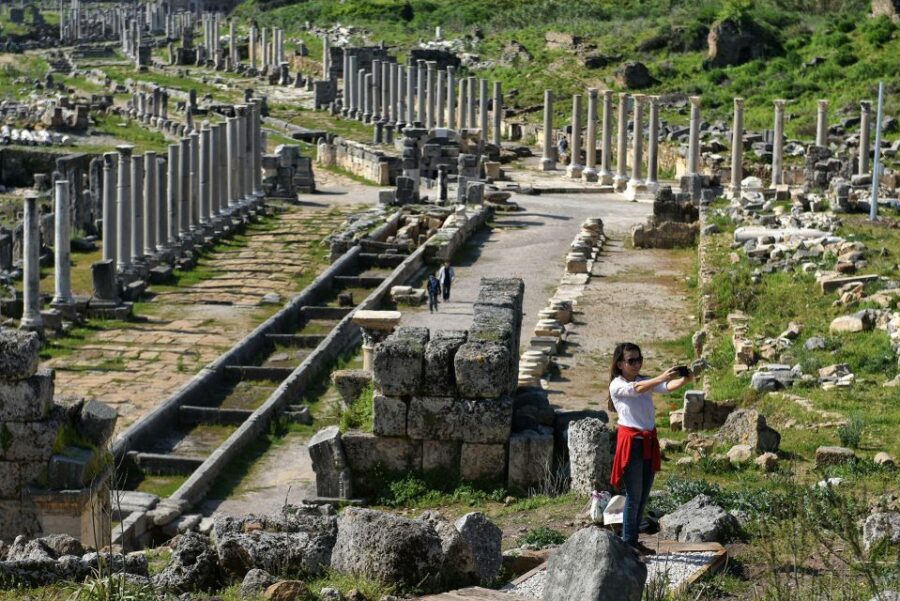
- Perge’s Hellenistic Gate and major ruins tied to Artemis and Pamphylia
- Side’s harbor setting, plus a walk toward the Temple of Apollo for big sea views
- Kurşunlu Waterfall on the Aksu River tributary, a cooler finish after all that walking
- Hotel pickup in central Antalya and skip-the-ticket-line help you lose less time
- English guides praised by name, including Ibrahim and Mohamet, who keep the explanations clear
Why this day trip works: three Hellenistic cities plus Kurşunlu
This tour is built for people who want major archaeological hits without the stress of planning and driving. You’re seeing three of the big Hellenistic/Pamphylian power centers—Perge, Aspendos, and Side—plus Kurşunlu Waterfall to reset your day. It’s essentially a themed route through Anatolia’s Greek and Roman layers, stitched together by the same broad story lines that show up in Alexander’s era.
The value here is not just the number of places. It’s the rhythm. Perge gives you the scale of a city with real street grids and monuments. Aspendos gives you a single masterpiece that still works as a stage. Side gives you a seaside city that looks good from every angle. And then Kurşunlu gives you a break from sun and stone.
Other Antalya tours we've reviewed in Antalya

Getting started in Antalya: central pickup, small group energy, and real guide time
Pickup is from central Antalya hotels, and that matters. You avoid long dead drives from the far edges of town and get on the road earlier, when everyone’s fresh. The tour also keeps the group tight—up to 14 people—so the guide can manage questions and pace without turning it into a cattle-car script.
The guide is English-speaking, and past guests have singled out guides such as Ibrahim and Mohamet for clear explanations and strong command of the language. That’s a big deal in ruins, where it’s easy to stare at columns and wonder what you’re actually looking at. On a smaller group tour, you tend to get that “Oh, I get it now” moment more often.
Also note two practical items from the setup:
- Skip the ticket line can save noticeable time at busy entry points.
- Drinks are not included, so plan on paying for water or other purchases while you’re out.
Perge: Artemis legend, Hellenistic Gate, and streets that keep their shape
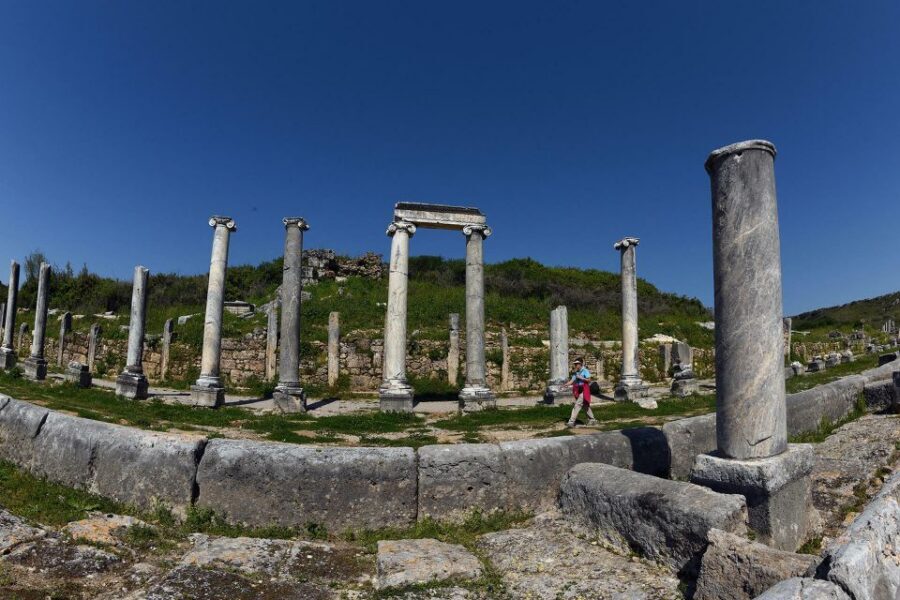
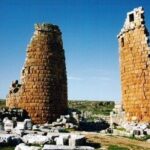
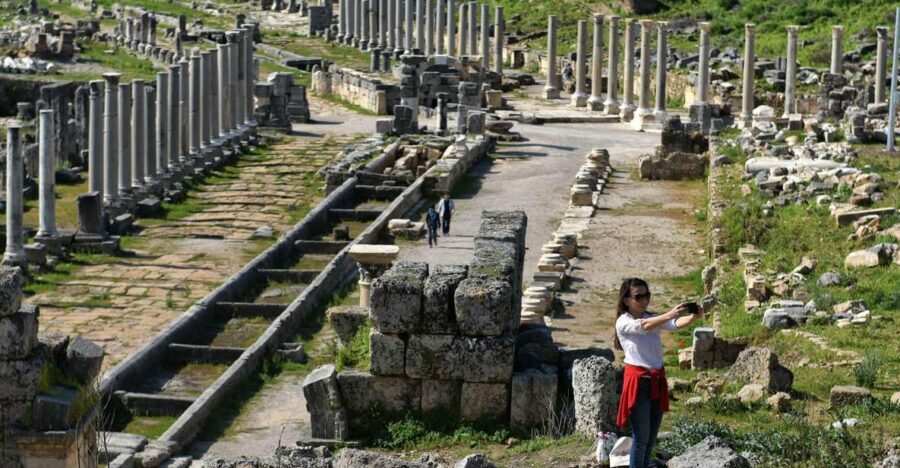
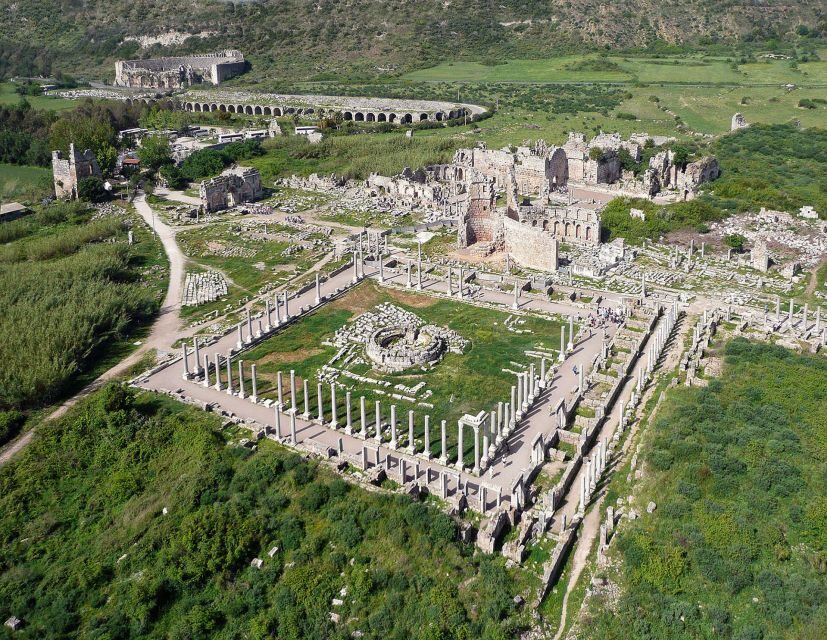
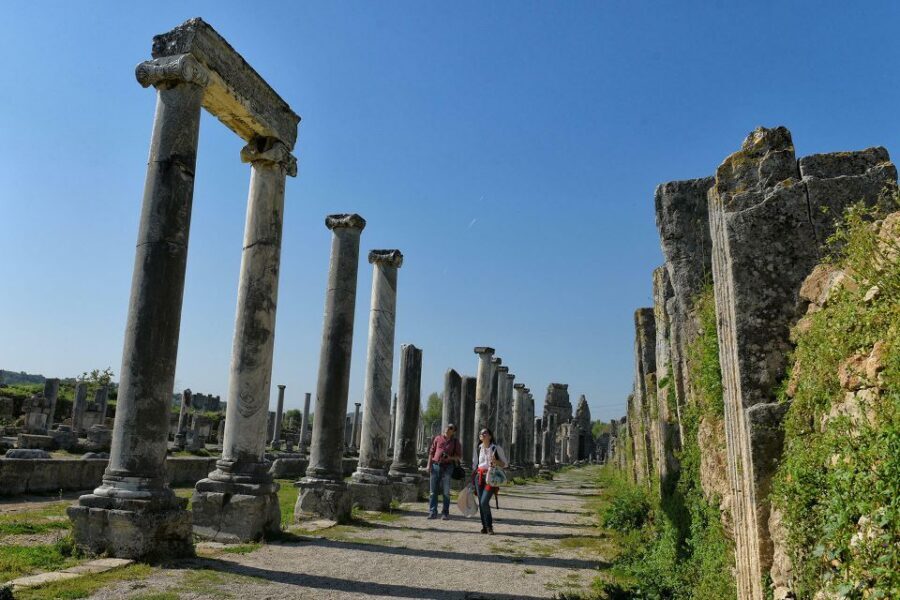
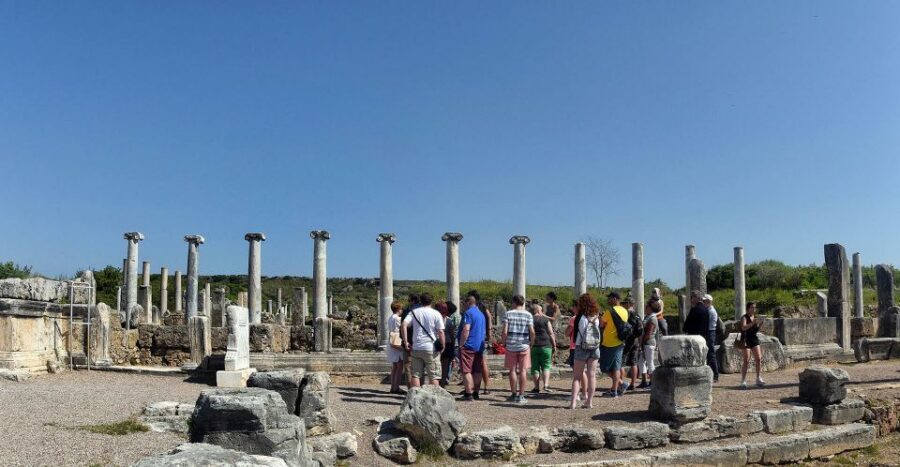
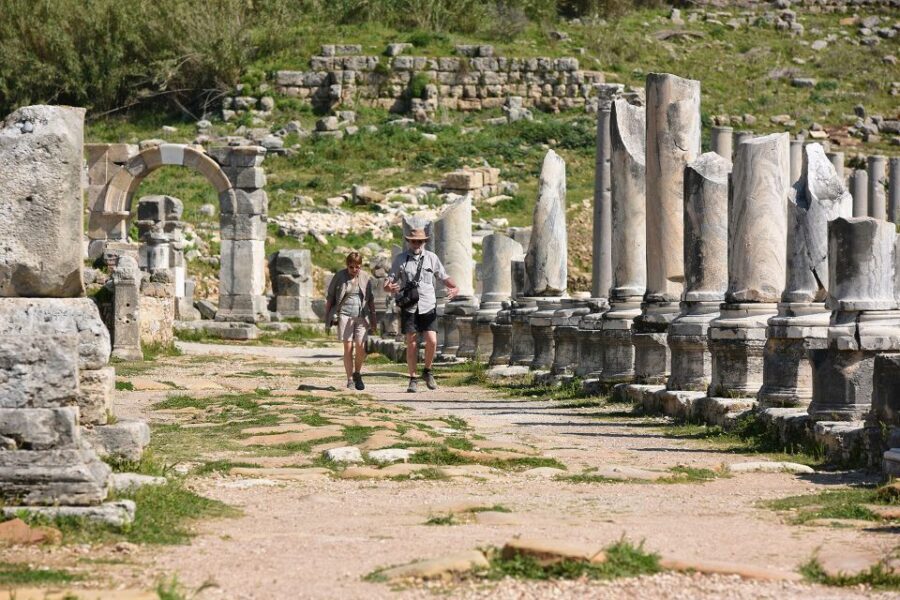
Perge sits about 9 miles east of modern Antalya, and the moment you start walking, you feel why it was a major city in Pamphylia. This is not just random ruins spread in a field. You’re moving through pieces of an old urban machine—paved areas, monumental entrances, and the kind of street layout that makes the site easier to understand.
The Hellenistic Gate and monumental entrances
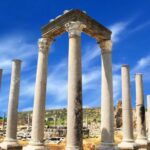
One of the standout stops is the Hellenistic Gate, which helps you grasp the city’s formal, “arrival” points. Gates like this are more than decoration. They’re the transition from everyday movement into a civic or ceremonial space.
Artemis Temple connection (and what it means for you)
Perge is famously tied to Artemis, and you’ll hear about the temple dedicated to the goddess of wilderness. Even if you don’t see every element of the temple from your vantage point, the Artemis link gives the ruins context. It turns the site from generic Roman stone into something with Greek religious meaning at its core.
Other Side tours we've reviewed in Antalya




Apollonius of Perge and the beer legend
A fun Perge detail you might hear on the ground involves Apollonius of Perge and a legend about beer. Whether you treat it as myth or local color, it’s a reminder that these places weren’t only about emperors and wars. They were about scholars, everyday life, and stories people kept repeating.
A quick history thread that makes the ruins easier to read
Perge’s timeline is a helpful mental map as you walk. The area moved between Greek control and Persian conquest (Persians in 546 BC), then Alexander’s armies entered later, and the city continued under Roman patronage for centuries after. You don’t need to memorize dates. You just need that big-picture sense: layers of rule left layers of architecture and priorities.
Practical note: watch for hawkers
Perge can attract hawkers, so keep your attention on your route and your belongings. It’s not the kind of problem that ruins the day, but it helps to stay calm and unbothered.
Aspendos: the theater you can still picture in action
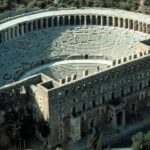
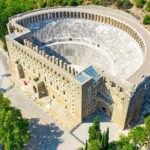
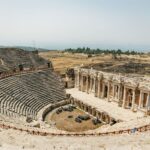
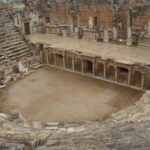
Aspendos is around 25 miles east of Antalya, and it’s famous for one reason that actually earns its hype: the theater. Built between 161 and 180 AD during the reign of Marcus Aurelius, it’s considered one of the best-preserved theaters from antiquity.
When you’re standing there, the key is to look past the “wow” factor and notice what the structure is doing. The design supports visibility and acoustics in a way that makes the space feel built for real crowds. Even if you’re not doing a formal “performance” imagination, you’ll likely find yourself scanning the tiers like you’re finding your seat.
What the site layout teaches you
Aspendos is also a good place to learn how ancient cities placed entertainment and power next to commerce and infrastructure. Around the theater, you may see remains connected to other functions—past guests have noted things like an aqueduct and an area described as an orangery. Seeing those nearby helps you understand the theater wasn’t a lonely monument. It sat inside a working city system.
Lunch near the river: useful fuel, not a food tour
Lunch is included, and it often happens around the Aspendos area, frequently described as near the river. Expect it to be simple and functional. If you want top-tier food, you’ll need to supplement later. But for a 9-hour day, lunch as a scheduled break is exactly what you want.
Side: harbor views, Temple of Apollo walk, and the reality of decline
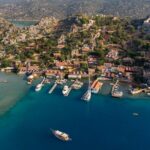
Side is where the trip shifts from pure archaeology to seaside city energy. The harbor setting is part of the attraction, because it shapes how the ruins feel. The ancient city’s importance came from trade—especially olive oil and yes, slave trade—but it also made Side a target for invaders. You can feel that historical tug in the way the ruins sit against the coast.
The drive-in and the first impressions
On arrival, you’ll often get a drive past major parts of the area before you start walking. That helps you map the town quickly, especially if you’re not familiar with the layout. It’s a practical benefit: you get bearings fast and spend your legs on the best walking.
Temple of Apollo and the sea view payoff
A highlight stop is the walk toward the Temple of Apollo, which a past guest described as having a commanding view over the sea. This is one of those payoff moments where the walk feels worth it, even if you’ve already seen big monuments earlier in the day.
Why Side’s ruins feel different from Perge and Aspendos
Side doesn’t give you one single “hero” building the way Aspendos does. Instead, it rewards you for wandering and noticing the way the harbor, stones, and the remaining structures relate to each other. After a 4th-century decline due to invasions and natural disasters, the city was eventually abandoned in the 10th century. That long fade shows up in the way the ruins feel open, exposed, and spread out.
Timing reality check
Side can feel a bit rushed if your group schedule is tight. If you’re the type who likes lingering for photos and slow reading of inscriptions, you may wish you had more time. If you’re happy with a smart highlights tour and you’re saving energy for Kurşunlu Waterfall, you’ll likely be fine.
Kurşunlu Waterfall: the cooling reset you need after ruins
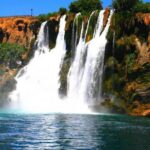
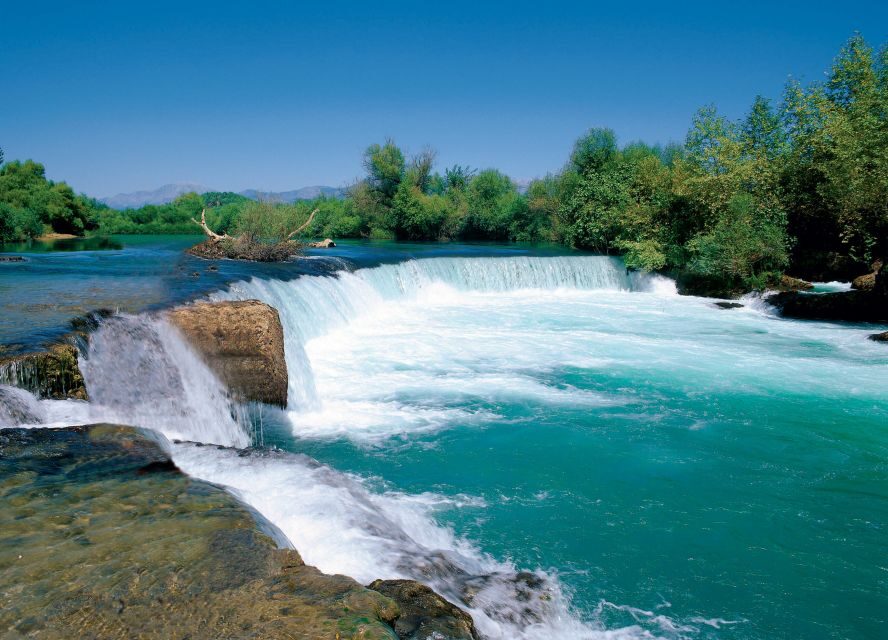
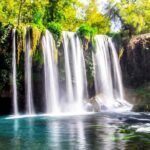
Kurşunlu Waterfall is the end-of-day release valve. It’s on one of the tributaries of the Aksu River, and the setting gives you what ruins can’t: shade, moving water, and a break from sun.
This stop also helps the whole day make sense. Three major archaeological sites can start to blend together—same color stone, same strong sun. Kurşunlu changes the sensory mix. You’re looking at water instead of architecture, hearing sound instead of counting column fragments, and taking actual steps in a different environment.
One practical point: you’ll still be out walking in a full-day schedule. Wear comfortable shoes and don’t plan on treating it like a quick photo pit stop only. If you want a moment to breathe, plan to move at an easy pace and let the waterfall do its job.
Price and logistics: is $53 good value, or just a bundle?
At about $53 per person for a 9-hour guided trip, the price is competitive for this kind of route from Antalya—especially because it includes hotel pickup and drop-off, an English-speaking guide, and lunch.
The value question comes down to how many separate costs you’d otherwise deal with:
- Taxis or private transport for multiple sites can become expensive fast when you’re covering Perge, Aspendos, Side, and Kurşunlu in one day.
- Entrance fees and drinks are not included, so you’ll still need to budget for those on top.
But the tour’s big financial advantage is time and coordination. Someone else handles the driving sequence, the timing, and the guide explanations. That’s what you’re paying for, not just access to monuments.
If you like doing things efficiently and you’d rather spend your energy on the sites than on logistics, this price tends to feel fair.
What to budget on: entrances, drinks, and the pace you should expect
Here’s what you should expect to pay separately:
- Entrance fees (not included)
- Drinks (not included)
So bring money or a payment method you’re comfortable using during the day. For a lot of people, the biggest surprise is not the ticket cost itself—it’s how quickly you start running through bottled drinks once you’re out in heat for hours.
Pace: expect stops to be “enough,” not “slow”
The tour is 9 hours, and it hits four big experiences: Perge, Aspendos, Side, and Kurşunlu Waterfall. That structure inevitably creates tradeoffs. You get to see everything, but you don’t get unlimited time at every stop.
If your goal is “see a little of everything and keep moving,” you’ll enjoy it. If your goal is “I want a deep, relaxed study session in every ruin,” you might feel the schedule tighten.
What to bring (and what to leave behind)
This is one of those days where basic packing makes a real difference. Bring:
- Passport or ID card
- Comfortable shoes (you’re walking on uneven surfaces)
- Sunglasses and a sun hat
And keep in mind what’s not allowed:
- No large bags or luggage
- No pets
Also, it’s not suitable for people with mobility impairments, so plan accordingly if you need step-free access.
Who this tour fits best
This tour is a strong fit if you want:
- A guided, English-first explanation for major ruins
- A tight route that includes both architecture (Perge and Aspendos) and seaside city walking (Side)
- An end-of-day nature stop at Kurşunlu Waterfall that resets your body after history
It’s less ideal if you need:
- Long, unhurried time at each site
- Step-free, mobility-friendly access
Should you book this Perge, Aspendos & Side full-day tour?
If you want a practical way to see the best-known ancient stops around Antalya without doing the driving math yourself, I’d say yes. Aspendos Theater is the kind of experience that justifies a day trip on its own, and combining it with Perge, Side, and Kurşunlu makes the itinerary feel balanced instead of repetitive.
Book it if you’re okay with a full schedule and you’re willing to budget for entrance fees and drinks. Skip it (or consider a lighter alternative) if you prefer slow wandering, need more time in one place, or require mobility-friendly access.
FAQ
How long is the tour?
The tour duration is listed as 9 hours.
What’s included in the price?
Included items are hotel pickup and drop-off from central Antalya hotels, an English-speaking guide, and lunch.
Are entrance fees and drinks included?
No. Entrance fees and drinks are not included.
Where do you pick up from?
Pickup is included for central Antalya hotels. Pickup is not available from Belek, Alanya, Manavgat, Side, or Kemer.
Is there a skip-the-ticket-line benefit?
Yes, the tour includes skip the ticket line.
How big is the group?
The group is limited to up to 14 participants.
Is it refundable if my plans change?
Yes. It offers free cancellation, with a full refund if you cancel up to 24 hours in advance.
FAQ
Is the tour suitable for travelers with mobility impairments?
No. The tour is listed as not suitable for people with mobility impairments.
Is the tour guided and in English?
Yes. You’ll have a live English-speaking guide.
What should I bring?
Bring passport or ID, comfortable shoes, sunglasses, and a sun hat.
Are pets allowed?
No. Pets are not allowed.
Can I bring luggage?
Luggage or large bags are not allowed.
Can I choose flexible payment timing?
Yes. It’s offered as Reserve now & pay later, meaning you can book without paying immediately.