REVIEW · ANTALYA
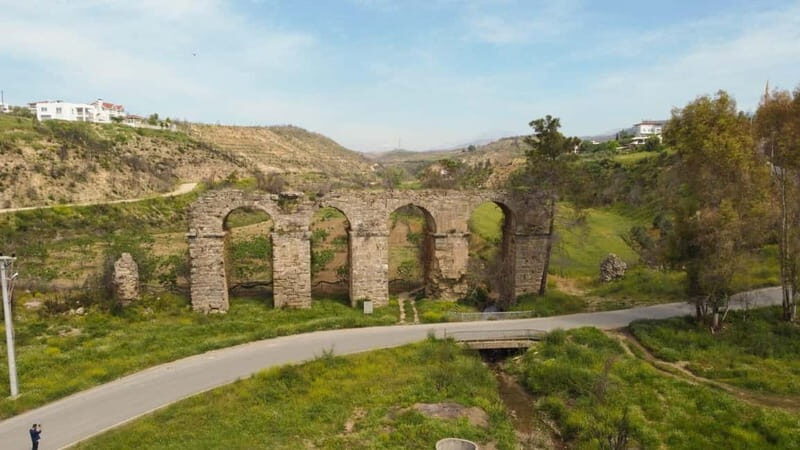
Perge Aspendos Aquaduct Side with Waterfall
Book on Viator →Operated by Nirvana Travel Agency · Bookable on Viator
A day of Roman ruins and real waterfall power.
This tour strings together three major ancient stops in Antalya Province, then finishes with Manavgat’s famous falls in a national-park setting. I love the chance to compare Aspendos and Side in one day, instead of treating them as separate trips.
The real win is the guide. You’ll hear clear, English-language explanations that help you read what you’re seeing, and several guides have been praised by name, like Hussain and Jill. One possible drawback: the ride can feel tight in peak season, and if you’re sensitive to cramped seating or limited airflow, you’ll want to plan for that.
Also, this is a full-day schedule. If weather turns rainy, you’ll still be outside around the sites, so bring real rain protection and expect the pace to stay firm.
In This Review
- Key highlights in plain terms
- Entering Aspendos Ruins: the theater that still does its job
- Perge Antik Kenti: Roman city scale, plus a stadium worth your feet
- Side Antik Kenti: trading power on a small peninsula
- Manavgat Waterfall: where the viewpoint beats the hype
- Value and logistics: price, pickup, and why the schedule feels full
- How the guide improves every stop
- Best-fit traveler: who should book this day trip
- Should you book Perge Aspendos Side with Manavgat Waterfall?
- FAQ
- What time does the tour start?
- How long is the tour?
- Where does pickup happen in the Old City area?
- What’s included in the price?
- Are drinks included with lunch?
- What language is the tour guide using?
- How many people are in a group?
- Is there a weather requirement?
- Is admission to Side included?
Key highlights in plain terms
- Aspendos Theater: a second-century stage that still plays tricks on your ears with its acoustics
- Perge’s stadium and colonnaded streets: big-site ruins without the crowds you’d find elsewhere
- Side’s peninsula ruins: trading-center layouts plus pirate-era context that makes the stone feel alive
- Manavgat Waterfall viewpoint: best seen from higher ground, with tea gardens nearby for a breather
- Pickup + lunch included: fewer logistics headaches for a day that already packs a lot in
Entering Aspendos Ruins: the theater that still does its job
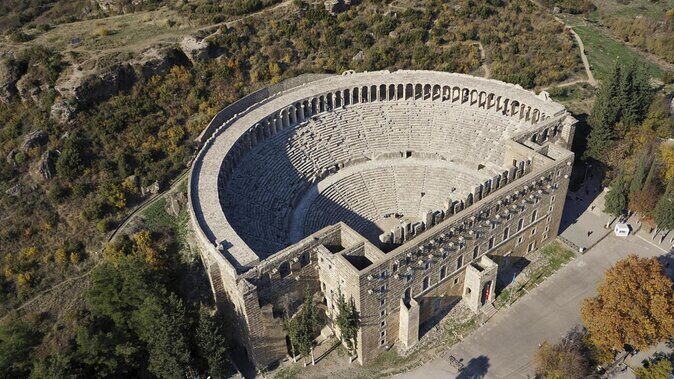
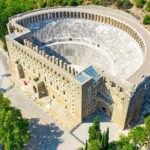
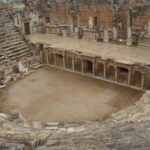
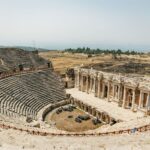
Aspendos is the kind of stop that makes you understand why ancient rulers bragged about architecture. The centerpiece is the Roman theater, built in the second century and designed for serious sound. Even if you’re not a theater person, you’ll feel how intentional it is. The structure is mostly intact, with just some damage to parts of the upper cornice, so you get a strong sense of how it would have worked.
Here’s what to watch for while you’re there: the scale. The seating capacity is listed as 15,000, and the ruins still look built for a full audience, not a half-empty stage. That helps you picture performances and announcements happening with confidence, not guesswork. And because the acoustics are famous (even if nobody can fully prove the secret formula), the guide’s explanations make a lot more sense once you’re standing in the right place.
Practical tip: When you arrive, take a minute before you start walking. Find a spot that gives you a clear view of the seating and stage area. You’ll get better photos and a better sense of the geometry.
Other Aspendos tours we've reviewed in Antalya

Perge Antik Kenti: Roman city scale, plus a stadium worth your feet
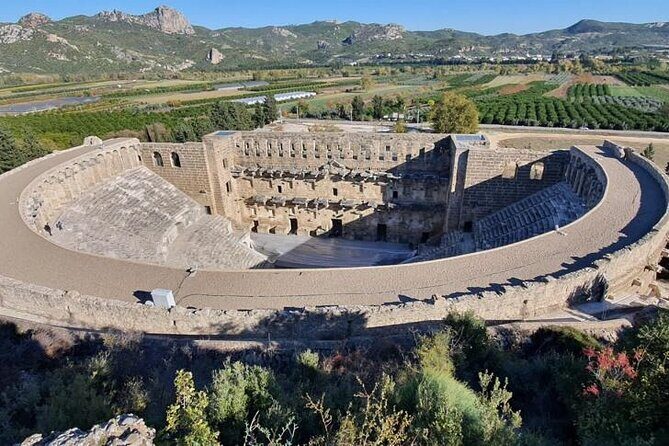
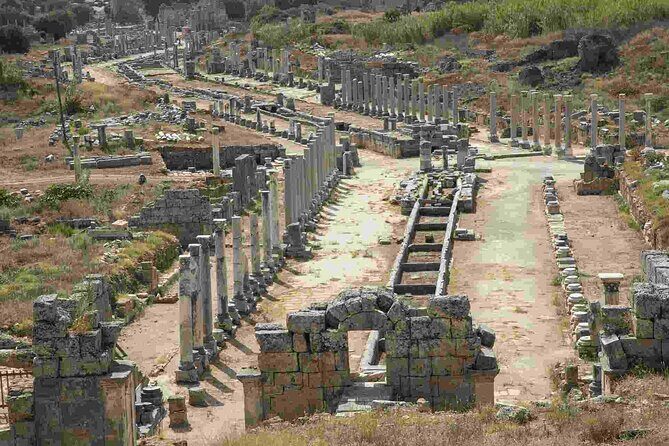
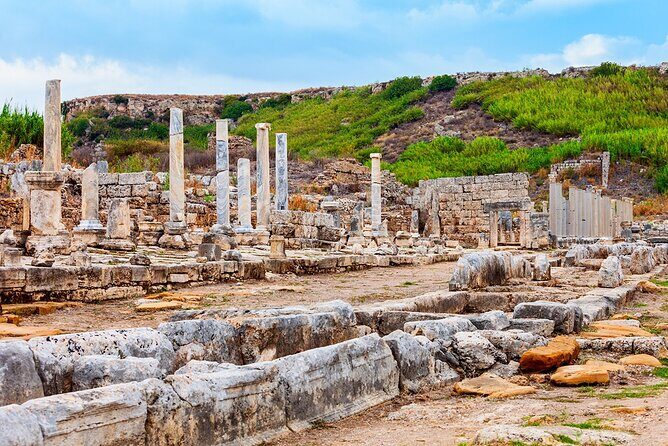
After Aspendos, Perge feels like a bigger spread of ruins—less single “wow object,” more an entire ancient district you can wander through. This is where the tour’s mix makes sense: you’ll move from one star attraction to a whole city plan.
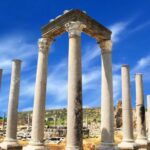
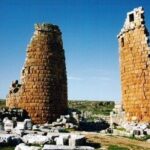
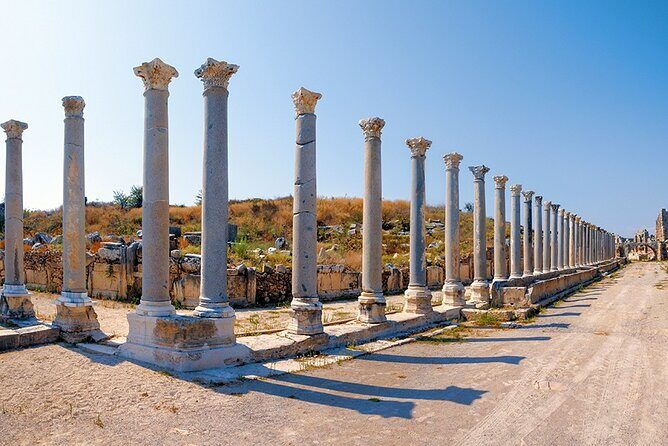
Perge is described as a major city during the Pax Romana period, and you can see the results in the remains: the theater, a stadium, baths, and a colonnaded street. A key detail is that the stadium at Perge is among the best preserved in the ancient world. That’s not just marketing talk. In a day of ruins, a well-preserved stadium gives you a real “feel” for how sports, crowds, and daily life worked.
Perge also has a longer backstory. An acropolis at the site dates to the Bronze Age. That means you’re not only looking at Roman stone. You’re walking across layers of settlement that grew over centuries, then got reshaped by later empires.
Time note: You’ll have about 1 hour 30 minutes at Perge. That’s enough to see the highlights and still move at a steady pace. If you’re the type who needs to read every inscription, you might want to focus on the main structures and let the smaller bits be a bonus.
Drawback to plan for: Perge is a site where the walk and sun exposure add up. If you’re doing this in cooler months, layers help. If it’s warm, hydrate before you think you need it. You’ll thank yourself later, especially since drinks aren’t included.
Side Antik Kenti: trading power on a small peninsula
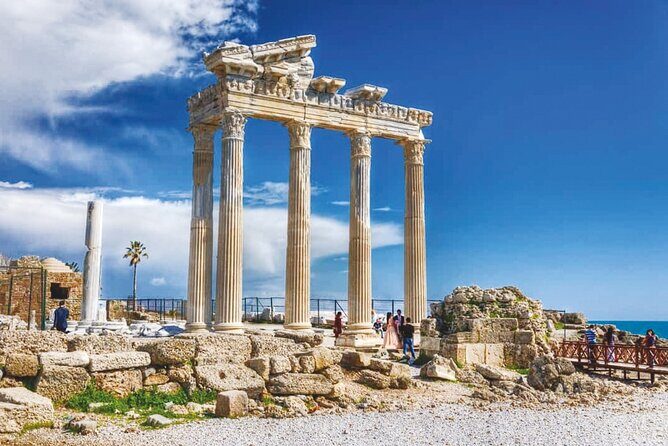
Side is where the tour shifts from “ruins as monuments” to “ruins as city geography.” The ancient city sits on a narrow north-south peninsula, about 1 km long and 400 m across. That shape matters. It helps explain why Side was a prosperous trading center in Hellenistic and Roman times.
You’ll also get the pirate connection tied to Cilicia in the 1st and 2nd centuries BCE. That’s a helpful context because it turns Side from a pretty set of rocks into a strategic location people fought over. Even if you don’t know the details, the story the guide provides makes it easier to read what you’re seeing.
The tour notes say Side’s admission ticket is free for this experience, which is a neat little value perk inside an already included-days structure.
Practical tip: Wear shoes that can handle uneven ground. Peninsulas can mean slanted paths and small changes in footing. A comfortable walking pace matters more than trying to race through the photo stops.
Manavgat Waterfall: where the viewpoint beats the hype
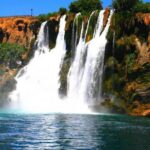
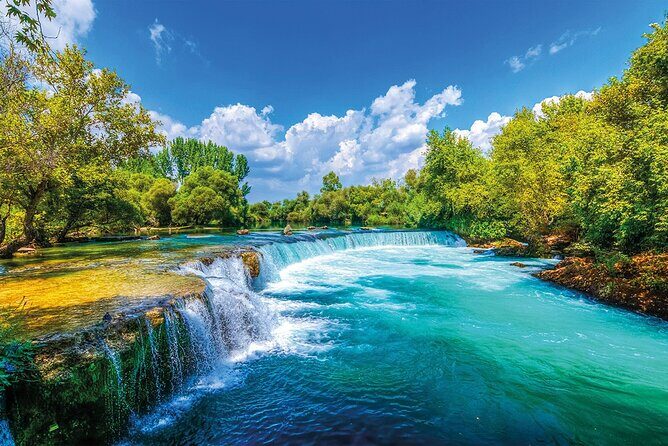
Then you get the natural finale: Manavgat Waterfall near Side. The falls sit on the Manavgat River near the city of Manavgat, about 3 km north of Manavgat town. It’s also close to tea garden areas that are shaded and good for a rest.
One detail that really matters for your experience: the best view is from higher altitude. Since water flows broadly over a low height, seeing the full spread is easier when you’re looking down or from an elevated angle. If you only view it at ground level, you can miss the “wide” effect.
Also, expect the falls to be dramatic in high flow—white, foaming water power over the rocks is part of what makes it special. But there’s a real-world caution: during floods, the falls may disappear under high water. In plain terms, if conditions are unusual that day, the view can shift.
Timing note: You’ll typically have about 30 minutes at the waterfall. That’s short. Plan to use it well. If you’re chasing photos, don’t waste all your time standing still at the first angle. Take a quick scan for a higher viewpoint, then spend your best moments there.
Value and logistics: price, pickup, and why the schedule feels full
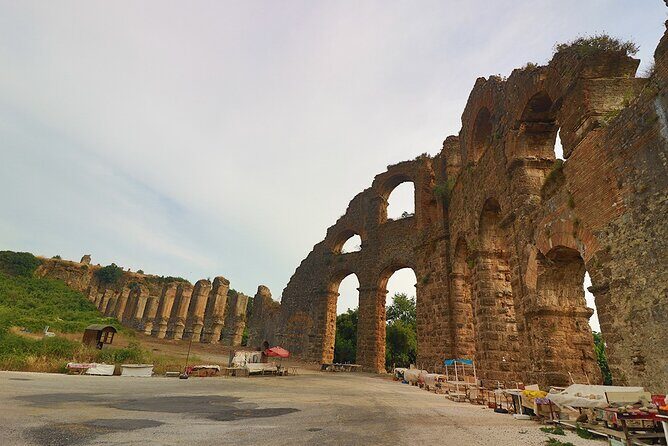
This trip costs $80 per person and runs about 9 hours. For that kind of day, the real value comes from what’s bundled: air-conditioned vehicle, hotel pickup and drop-off, lunch, professional guide time, parking fees, and key admission tickets. Drinks are not included, so budget for water on top of the price.
It’s also booked on short-ish notice, with an average booking window around 6 days. That tells me there’s enough demand for a popular circuit like this, but it also means the best chance of smooth timing comes from selecting your spot early and arriving ready on pickup day.
Pickup starts at 8:00 am. If you’re in the Old City area, pickup is from Hadrian’s Gate. That’s convenient if you know Antalya well, but if you don’t, give yourself extra time to find that meeting point without rushing.
The one logistics caution I’d highlight: a couple of past departures didn’t feel comfortable on the drive—like tight seating and airflow that wasn’t ideal. This isn’t a deal-breaker for most people, but it can matter on a full-day ride with several transfers between sites. If you’re tall, have mobility needs, or just hate being cramped, consider booking early, and bring a small cushion or wear breathable clothes.



How the guide improves every stop
The difference between a good ruins day and a forgettable one is the guide. This tour explicitly includes a professional guide, and the best feedback you’ll see from this experience points to guides who keep the day moving with energy and clear explanations.
Specific names have been praised, including Hussain, Jill, and Jim. The common thread: they connect the stone to how people lived, worked, and performed. At Aspendos, that means the theater isn’t just a photo. At Perge, it means the stadium and street layout start to feel like a functional city, not random blocks of rock.
What you should do: listen during the key introductions. Even if you only catch part of it, the guide’s framing helps you understand what matters most at each stop. That makes your limited time feel less rushed.
Best-fit traveler: who should book this day trip
This tour is a strong match if you want:
- a single day covering Perge + Aspendos + Side with a guide
- one natural break at Manavgat Waterfall
- included lunch and a pickup-and-drop-off setup that avoids driving yourself
It may be less ideal if:
- you’re extremely sensitive to cramped transport or limited airflow on group vans
- you’re hoping for lots of free time at every stop
- you travel expecting a slow, flexible day (this one keeps a steady rhythm)
Also, bring the mindset that this is a highlights tour. It gives you the major anchors and enough context to enjoy them, but you won’t get “wander all day” freedom.
Should you book Perge Aspendos Side with Manavgat Waterfall?
If you want a classic Antalya-area circuit in one day, this is a solid choice. The price isn’t low, but it’s fair for what you get: admissions (with Side free), lunch, guide support, and pickup/drop-off. You also get variety—Roman theater, city ruins, and a real waterfall with tea gardens for a breather.
If you’re deciding between this and a DIY plan, remember what you’d be paying for with a DIY approach: time, navigation, parking stress, and trying to find good context once you’re on-site. Here, the guide does the heavy lifting for understanding, and the day is organized so you can focus on enjoying the places.
My final take: book it if you’re ready for a full day and you’ll show up on time for pickup. Pass or adjust expectations if you know you’ll struggle with long drives in a group setting or if you’re traveling during a season when rain is likely—bring proper rain gear either way.
FAQ
What time does the tour start?
It starts at 8:00 am.
How long is the tour?
The duration is about 9 hours.
Where does pickup happen in the Old City area?
If you’re staying in the Old City area, pickup is from Hadrian’s Gate.
What’s included in the price?
The tour includes air-conditioned vehicle, hotel pickup and drop-off, parking fees, lunch, landing and facility fees, and a professional guide. Key site admissions are also included where listed.
Are drinks included with lunch?
No. Drinks are not included.
What language is the tour guide using?
The tour is offered in English.
How many people are in a group?
The group has a maximum of 25 travelers.
Is there a weather requirement?
Yes, it requires good weather. If the experience is canceled due to poor weather, you’ll be offered a different date or a full refund.
Is admission to Side included?
Side admission is listed as free for this tour.